End-to-End Autonomous Vehicle ML Training Pipeline
CK 3788 Created at Updated at
30600
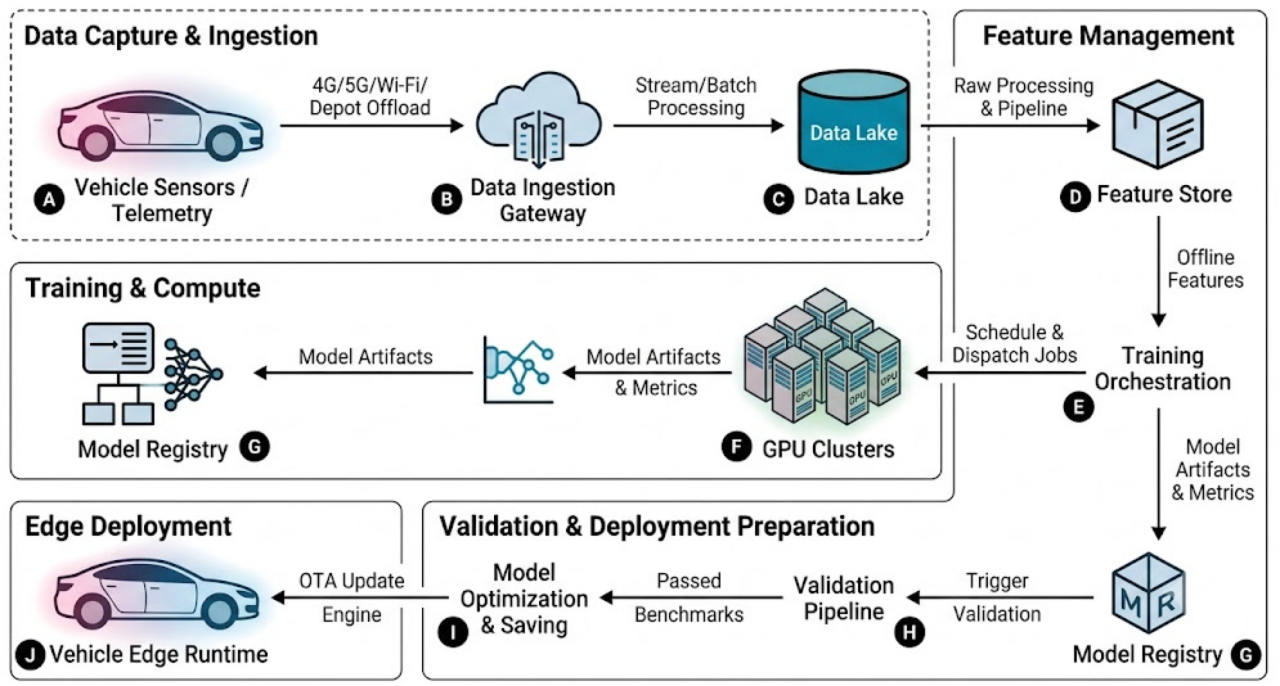
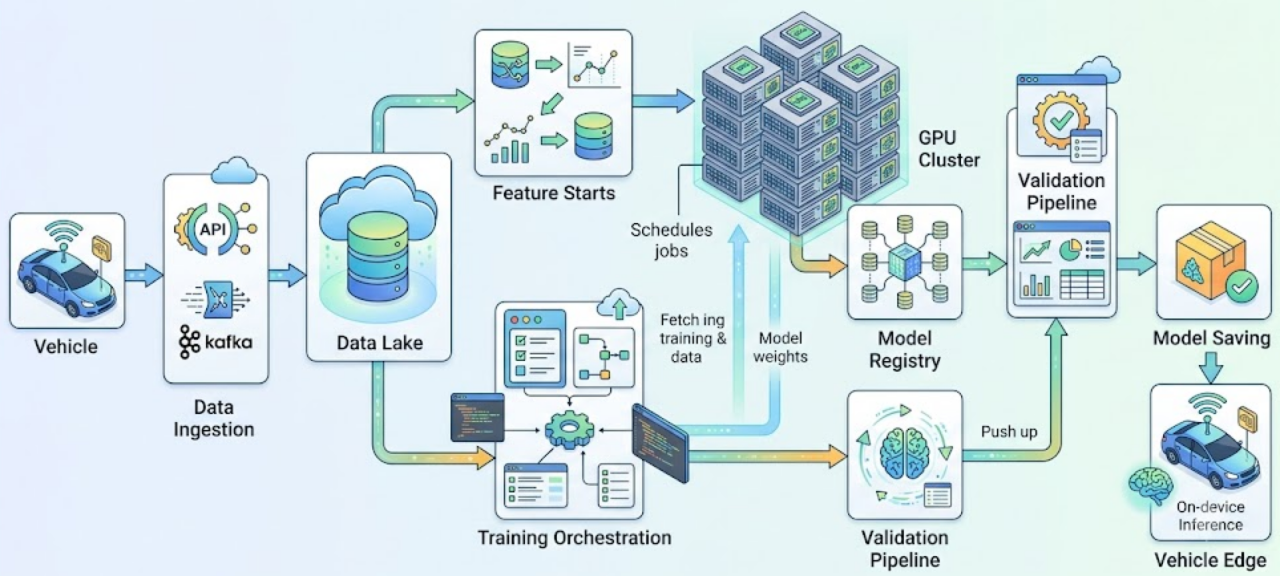
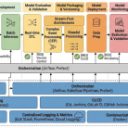
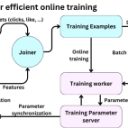
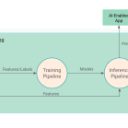
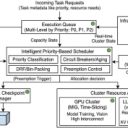
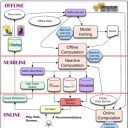
The end-to-end architectural design for the machine learning training pipeline begins at the Vehicle, where telemetry and sensor data are collected and routed into the Data Ingestion system. This ingested data is stored centrally in a Data Lake and subsequently processed into Feature Starts for model preparation. A Training Orchestration engine then manages the execution of complex training workloads across distributed GPU Clusters. Once the training phase is finished, the candidate model is cataloged in the Model Registry and passed through a dedicated Validation Pipeline to ensure performance and safety standards are met. After passing all tests, the final model proceeds to Model Saving, where the compiled artifacts are stored and ultimately deployed back to the Vehicle Edge for local, low-latency inference.
1. System Architecture Diagram
2. Component Breakdown & Data Flow
Data Capture (Vehicle)
Source Data: Cameras, LiDAR, Radar, CAN Bus signals, GPS, driver actions, disengagement logs.
Local Processing: Critical event tagging (e.g., hard braking, manual takeover) saved locally for priority offloading.
Data Ingestion
Streaming Ingestion: Real-time metrics/telemetry ingested via Apache Kafka or AWS Kinesis over cellular networks.
Batch Ingestion: High-bandwidth multi-camera/LiDAR raw files offloaded via depot Wi-Fi or physical storage swap drives.
ETL Pipeline: Data cleansing, temporal synchronization across sensor streams, privacy scrubbing (face and license plate blurring).
Data Lake
Storage Tier: Distributed Object Storage (e.g., AWS S3, Azure Blob) organized using Delta Lake or Apache Iceberg.
Categorization: Divided into raw land zone, sanitized zone, and annotated dataset zone.
Feature Store
Offline Store: Big Data processing (Apache Spark, Ray) generating historical feature tables used for batch training.
Point-in-Time Correctness: Ensures no data leakage between past training states and future data.
Metadata Registry: Central catalog for feature discovery, definitions, and data lineage (e.g., Feast, Hopsworks).
Training Orchestration
Workflow Engine: Manages DAG execution (Kubeflow Pipelines, Airflow).
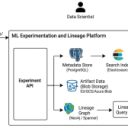
Experiment Management: Tracking parameters, code versions, data snapshots, and run outputs (MLflow, Weights & Biases).
Hyperparameter Optimization (HPO): Automated tuning engines (Optuna, Ray Tune).