The Ad Tech Auction Wars: First-Price, Second-Price, and the Hybrid Frontier | ||||||||||||||||||||||||||||||||||||||||
| ||||||||||||||||||||||||||||||||||||||||
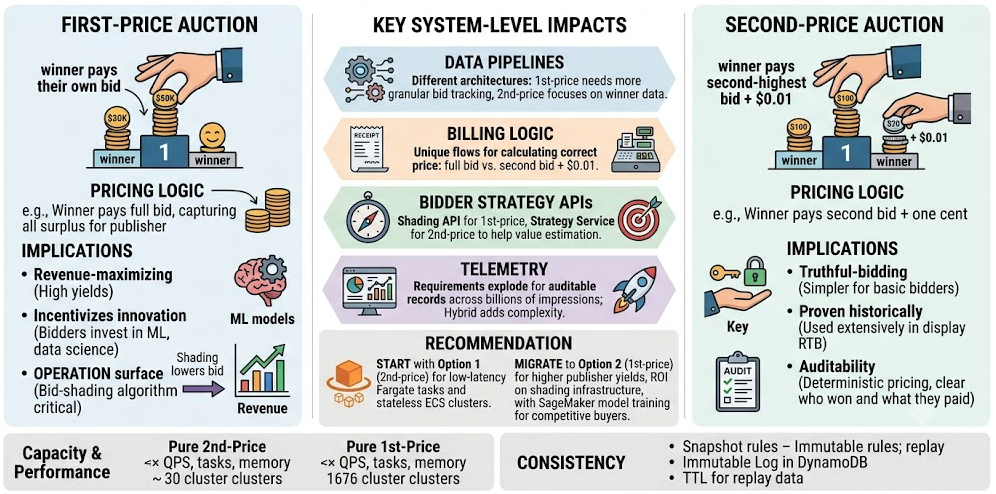
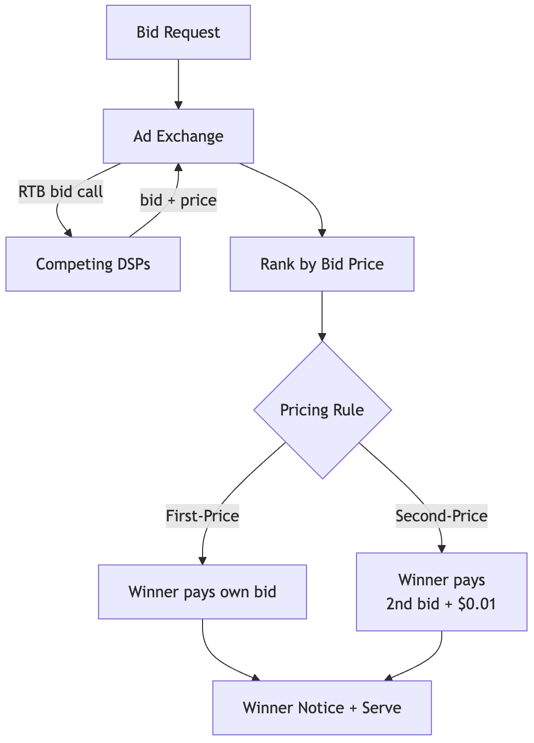
| Auction mechanics determine how winning bids are priced, how budgets are allocated, and how truthfulness in bidding is incentivized. The two dominant models are second-price auctions (where the winner pays the second-highest bid plus one cent) and first-price auctions (where the winner pays their own bid). These seemingly small differences cascade into massive system-level implications: different data pipelines, billing logic, bidder strategy APIs, and telemetry requirements.
The shift from second-price to first-price auctions across the industry (Google, Facebook, Amazon, The Trade Desk) represents one of the largest infrastructure migrations in ad tech history. Second-price auctions, inherited from online advertising's academic roots, were theoretically dominant because they incentivize truthful bidding (bidders maximize utility by bidding their true value). However, they leave money on the table: if the second-highest bid is $2 and the winner bid $10, the winner pays only $2.01. First-price auctions capture more of the winner's surplus—the winner pays their full bid—but now bidders must shade their bids downward to account for competition. This requires bidders to model marketplace dynamics (auction volume, competitor distribution), creating a new operational surface area: the bid-shading algorithm. At scale, these differences explode in complexity. A large auction engine processes 1–2 million auctions per second, each involving 50–200 competing bids from global buy-side partners. The winner selection and pricing logic must be consistent across billions of impressions, auditable to trading partners, and efficient enough to complete in <100ms. Adding a hybrid mode (where some inventory runs first-price and some runs second-price) multiplies the operational complexity: now the auction runner must track which impression template uses which rule, correctly apply pricing logic per path, and present billing statements to buyers that accurately reflect their exposure under different mechanics.
Key RequirementsFunctional Requirements
Non-Functional Requirements
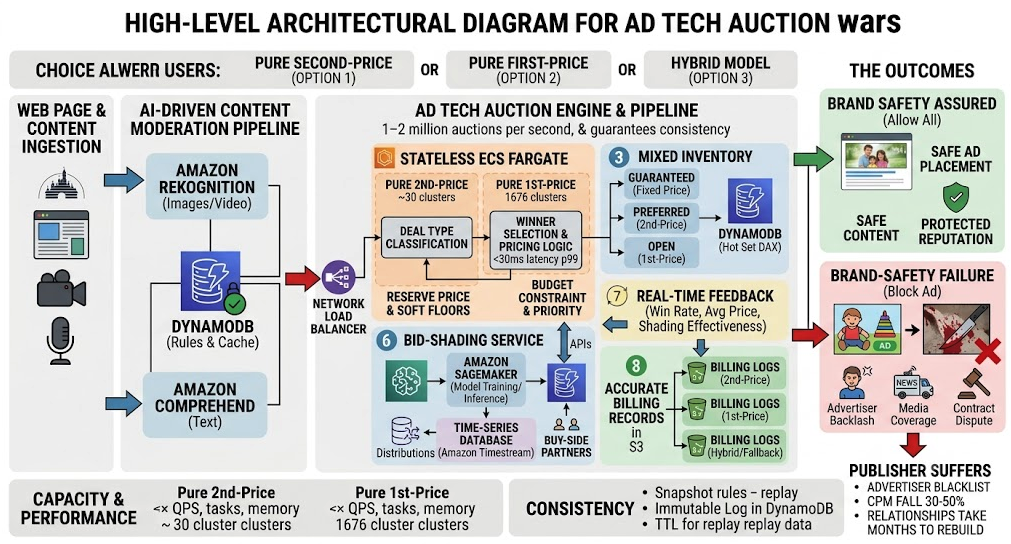
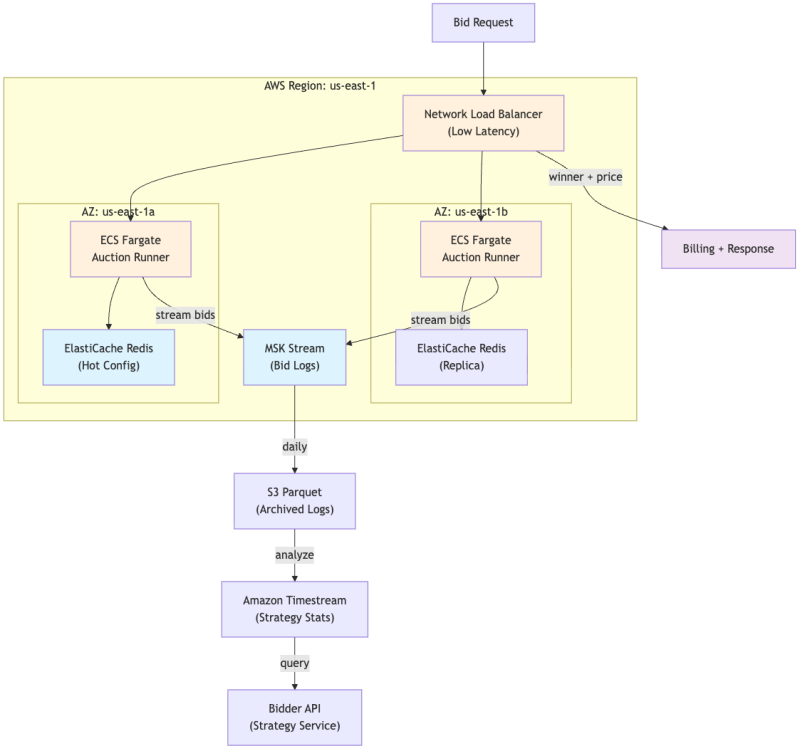
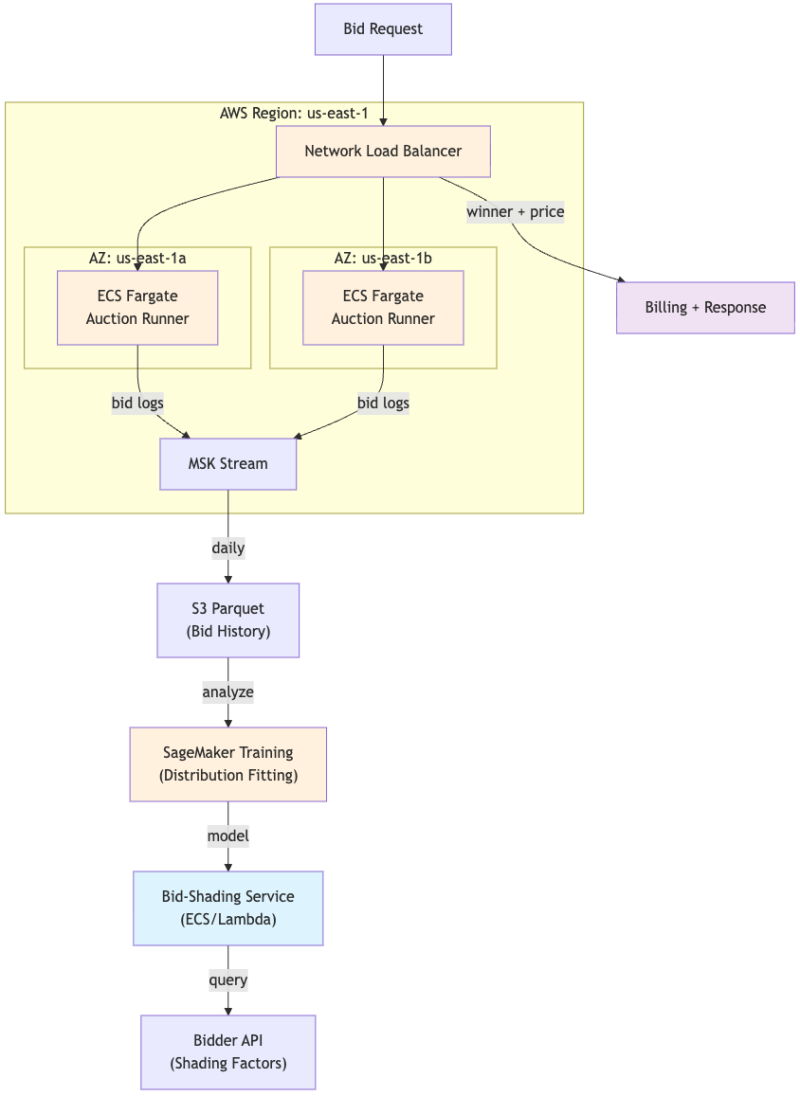
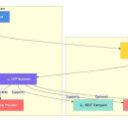
Simplified Architecture
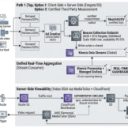
Architecture ProposalsOption 1: Pure Second-Price with Centralized Bidder Strategy ServiceThis option standardizes on second-price auctions across all open inventory, paired with a bidder-side strategy service that helps buy-side partners optimize their valuations despite operating in a second-price market. The auction runner collects all qualifying bids, sorts them, selects the winner (highest bid), and prices them at the second-highest bid plus $0.01. The strategy service is a separate microservice that bidders query before placing bids. It provides historical analytics: "In the last week, impressions in this publisher/country/daypart had a second-highest bid of $5.20 on average; click-through rate was 2.3%; expected cost per thousand impressions (CPM) was $11.40." Bidders use this data to optimize their value estimates. Because second-price auctions are truthful, bidders should bid their true expected value; the strategy service's role is to help them estimate that value accurately. Architecture: auction runner is a stateless service (ECS Fargate behind a Network Load Balancer for low-latency TCP) that receives bid requests, filters by eligibility, sorts, applies reserve price, and prices at second-highest + $0.01. Bid logs stream to Amazon MSK and then to S3 (Parquet) for analysis. Bidder strategy service is a time-series database (Amazon Timestream or Timescale on RDS) that computes rolling statistics per segment (publisher, geography, device, daypart) from archived auction logs. Services communicate only through the bidder's own infrastructure (bidders query strategy service before bid time). Pros:
Cons:
Failure Modes & Mitigations:
When to Choose: Use this option if you operate a small to medium publisher with limited buy-side competition (<20 major bidders) or are building a new exchange without existing first-price commitments. Ideal if you want operational simplicity over revenue maximization, or if your bidders are unsophisticated and won't implement bid shading anyway.
Option 2: Pure First-Price with Centralized Bid-Shading ServiceThis option standardizes on first-price auctions (winner pays their own bid) and operates a centralized bid-shading service that helps buy-side partners optimize their bidding strategy. In a first-price auction, truthful bidding is no longer optimal; bidders must bid below their true value to avoid overpaying. The optimal bid depends on the distribution of competing bids—harder to estimate than second-price. The bid-shading service solves this by publishing historical bid distributions per segment. It computes: "In this segment, bids follow a lognormal distribution with mean $5, std dev $2." Bidders use this to compute optimal shading: if your true value is $10, and you expect competitors to bid according to the distribution, your optimal first-price bid is ~$7 (derived from auction theory: bid your value minus your expected regret if you overbid). The bid-shading service also offers a simplified API: "Given your value estimate, here's your recommended bid" (computes shading server-side). Architecture: auction runner is stateless ECS Fargate behind a Network Load Balancer (receives bids, selects highest, prices at that bid, done). Bid-shading service runs on Amazon SageMaker (for model training and inference) or ECS, backed by a time-series database (Amazon Timestream or RDS Timescale) that computes rolling bid distributions per segment from MSK streams. Bidders can either query the shading service before bidding (active shading) or apply pre-computed shading factors locally. Pros:
Cons:
Failure Modes & Mitigations:
When to Choose: Use this option if you operate a large, sophisticated exchange (Google, OpenX, PubMatic scale) with competitive buy-side partners who invest in bidding science. Revenue impact of first-price vs. second-price often justifies 5–10% publisher yield uplift. Requires commitment to operating a high-quality bid-shading service; do not attempt without data science support.
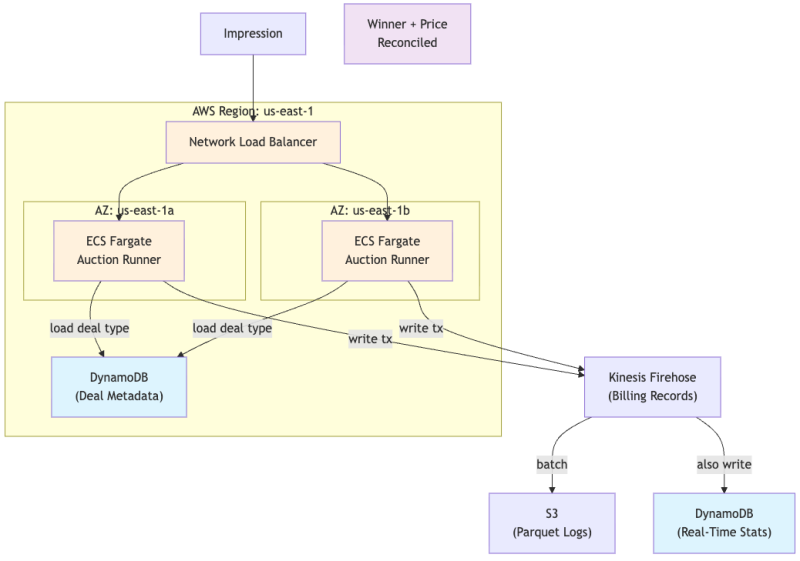
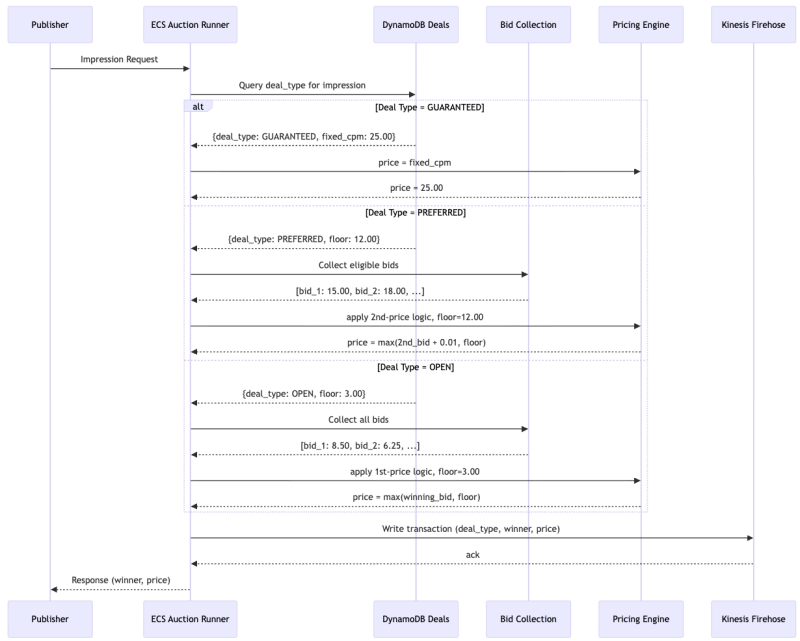
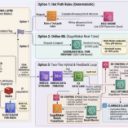
Option 3: Hybrid Model with Reserve Prices and Soft FloorsThis option runs multiple auction formats simultaneously across different inventory buckets, with different pricing mechanics for different deal types. Programmatic guaranteed deals run on fixed pricing (buyer pays pre-negotiated CPM, no auction). Semi-guaranteed/preferred deals run second-price with a high reserve (to ensure minimum revenue). Open auction runs first-price with a low reserve. All inventory shares the same auction runner; logic branches on deal type and applies the appropriate mechanics. The hybrid model reflects real-world ad operations: premium publishers often have a tiered inventory structure. Top-tier inventory is sold via guaranteed contracts (direct deals); second-tier is programmatically guaranteed (buyer commits to volume at fixed CPM); lower-tier is open auction (RTB). Merging these into a unified auction system reduces operational overhead: single auction runner, single bidding/billing pipeline, single audit log. Implementation: auction request arrives with a deal_type (GUARANTEED, PREFERRED, OPEN). The auction runner (ECS Fargate behind Network Load Balancer) routes based on deal_type: if GUARANTEED, apply fixed pricing (lookup contract CPM in DynamoDB, done). If PREFERRED, run second-price auction with a high floor. If OPEN, run first-price auction with a low floor. All flows converge to Amazon Kinesis Data Firehose for billing records written to S3 + DynamoDB for real-time reconciliation; one set of logs in CloudWatch. Pros:
Cons:
Failure Modes & Mitigations:
When to Choose: Use this option if you are a large premium publisher (News Corp, Condé Nast, Disney) with existing direct/guaranteed inventory that you want to unify with RTB. Requires investment in coordination logic and audit infrastructure. Payoff is simplification of buy-side integrations (one API covers all deal types) and revenue optimization across tiered inventory. Not recommended for pure programmatic exchanges or small publishers.
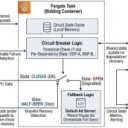
Option 3 (continued): Sequence Diagram for Hybrid Auction with FallbackThis diagram shows the critical request flow for Option 3, illustrating how an impression progresses through deal-type classification and pricing:
Comparison Table
RecommendationStart with Option 1 (Pure Second-Price) if you are launching a new exchange or are a small-to-medium publisher with <50M daily impressions. It is the simplest to implement, easiest to audit, and imposes minimal operational overhead. Do invest in a bidder strategy service to help partners optimize value estimates; the service need not be complex—even simple historical statistics help bidders calibrate. Migrate to Option 2 (Pure First-Price) once you reach 200M+ impressions/day and have competitive buy-side partners with in-house trading operations. Revenue gains are typically 5–10% (publisher yield); ROI on the engineering effort to implement shading infrastructure is strong. Coordinate the migration with top buyers; provide them advance notice and shading tools. Plan for a 2–3 week transition period where both first-price and second-price run in parallel (feature-flag at 10% traffic, ramp to 100%). Adopt Option 3 (Hybrid) only if you already operate guaranteed deals and want to unify them with RTB. This is most common for large premium publishers (Disney, News Corp) with legacy direct sales. The operational complexity is not worth it for pure programmatic; the value comes from consolidating billing and audit infrastructure across deal streams. For enforcement, implement tight SLAs on pricing logic: all auctions with same competitive set must produce identical outcomes, reproducibly. Maintain detailed auction logs in Kinesis Firehose (every bid, every ranking decision, final price, deal type). Audit 1% of auctions daily by replaying the auction logic offline via Lambda and verifying the outcome matches the log.
Capacity & Performance NotesPure Second-Price (Option 1):
Pure First-Price (Option 2):
Hybrid (Option 3):
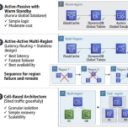
Consistency Boundaries:
| ||||||||||||||||||||||||||||||||||||||||
| | ||||||||||||||||||||||||||||||||||||||||
| |