Ad Auction Architectures: A Publisher's Guide to Optimal Monetization
CK 3788 Created at Updated at
68200
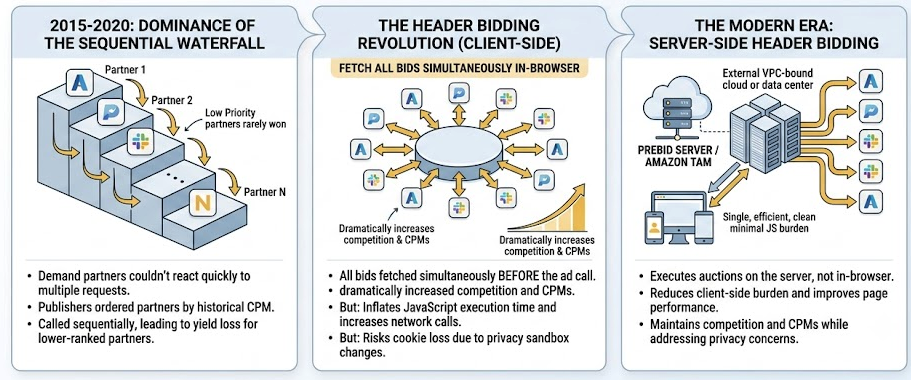
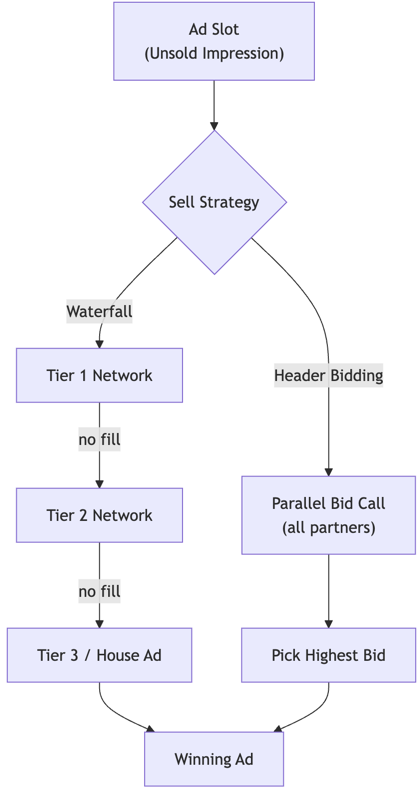
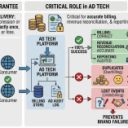
Publisher monetization hinges on filling inventory at the highest possible CPM. Unsold inventory (direct campaigns, remnant) must be routed through programmatic partners—ad networks, SSPs, demand-side platforms—to generate revenue. The core challenge is choosing between sequential waterfall (call networks in priority order until one fills), header bidding (call all partners in parallel, accept the highest bid), and server-side header bidding (SSP-hosted auctions reducing client load and latency).
In 2015–2020, waterfalls dominated because demand partners couldn't react quickly to multiple simultaneous requests; publishers ordered partners by historical CPM and called them sequentially. A partner low in the waterfall rarely won despite competitive bids. Header bidding inverted this by fetching all bids simultaneously in-browser before making the ad call, dramatically increasing competition and CPMs. However, browser-based header bidding inflates JavaScript execution time, increases network calls, and risks cookie loss due to privacy sandbox changes. Server-side header bidding (pioneered by Prebid Server and Amazon Transparent Ad Marketplace) executes auctions on the server, reducing client-side burden while maintaining competition.
This case explores the three architectures, their operational trade-offs, and guidance on when to adopt each given publisher scale, latency constraints, and demand partner ecosystem.
Key Requirements
Functional Requirements (FRs)
CPM optimization: Highest possible effective CPM across all demand partners, not just first responder.
Auction fairness: All partners compete on equal footing; lower-ranked partners not systematically excluded.
Latency adherence: Ad decision and creative serve within 100–200 ms (mobile web) to avoid render delay.
Inventory fillrate: Maximize the percentage of ad slots generating revenue (target >85% for premium publishers).
Fallback chain: If primary auction fails, fallback to direct campaigns or house ads; no blank impressions.
Privacy compliance: Honor user consent signals (TCF, GDPR) and adapt to cookie deprecation.
Partner integration: Support multiple SSPs, networks, and custom demand sources without refactoring the auction logic.
Non-Functional Requirements (NFRs)
Cost efficiency: Header bidding payload and network calls should not inflate CDN or infrastructure cost beyond 10–15% per request.
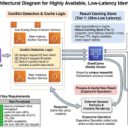
Auditability: Log each bid, winner, and CPM for dispute resolution and partner reconciliation.
Sub-second decision time: Entire auction (including creative fetch) must complete in <1 second on p99.
High cardinality: Support hundreds of partners without proportional latency increase.
De-duplication: One impression served across partners; no accidental over-selling.
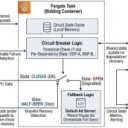
Graceful de-gradation: Network timeouts or partner failures do not block ad serve.
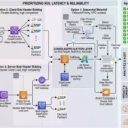
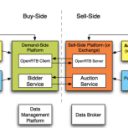
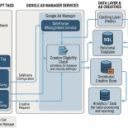
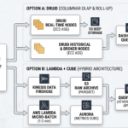
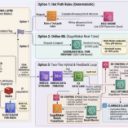
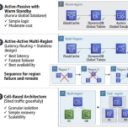
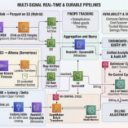
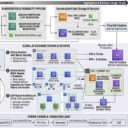
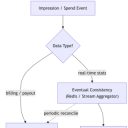
Simplified Architecture
Architecture Proposals
Option 1: Sequential Waterfall (On-Premises or VPC-Isolated)
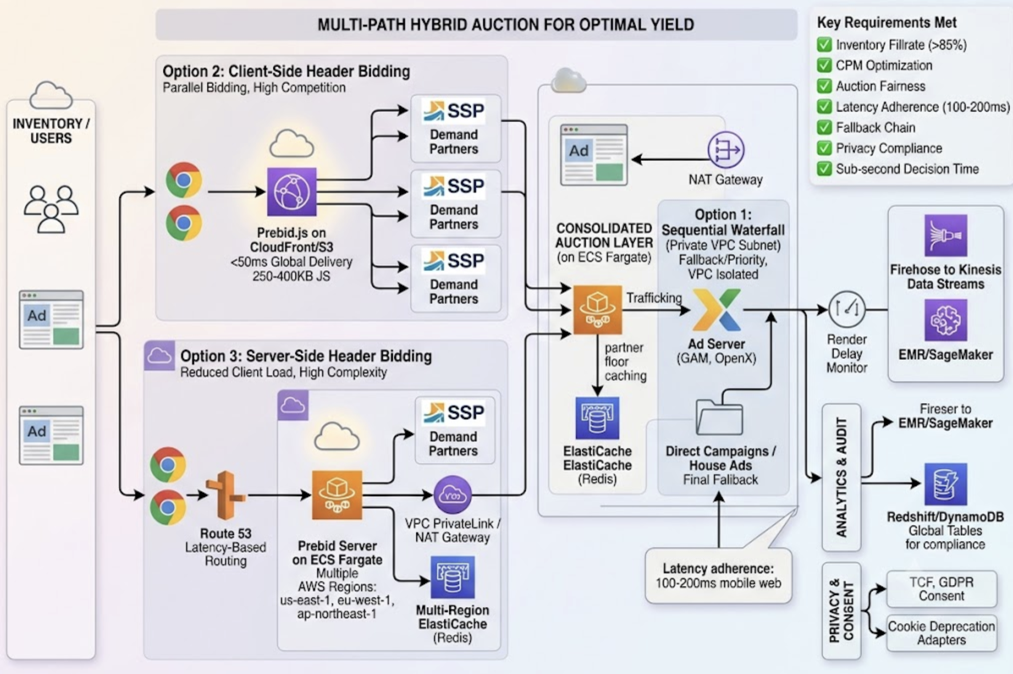
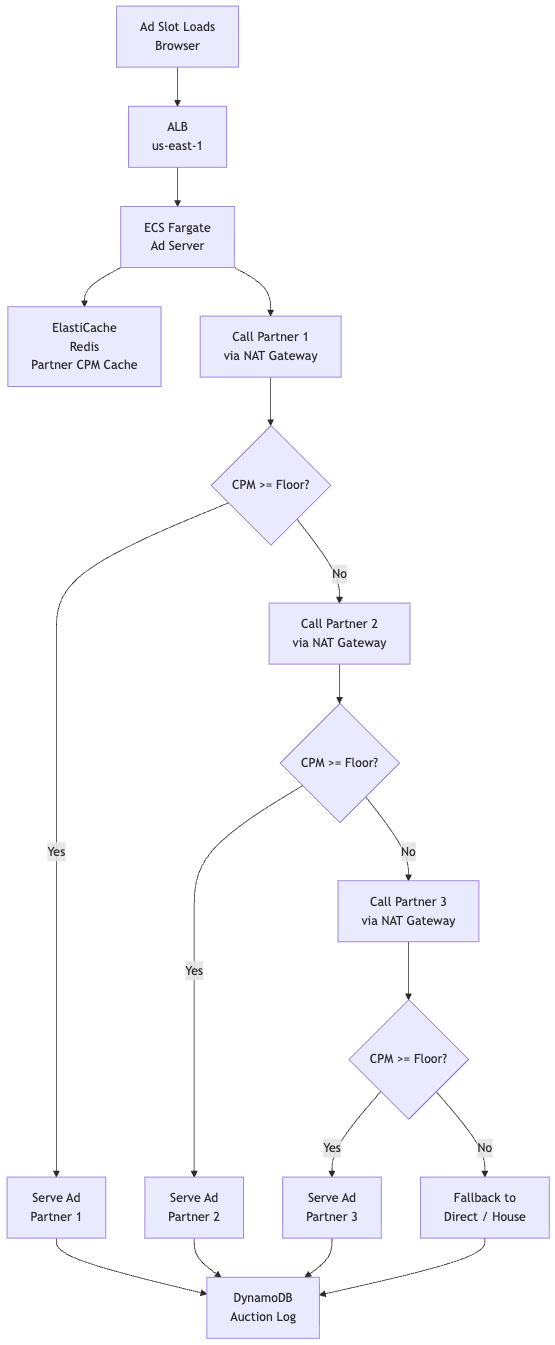
A publisher maintains a prioritized list of demand partners ordered by historical CPM. When an ad slot loads, JavaScript executes calls serially: call partner 1, wait for response, evaluate CPM, either declare winner or call partner 2, and so on. The first partner to meet the floor CPM wins. Ad server infrastructure runs on ECS Fargate behind an Application Load Balancer (ALB) in a private VPC subnet, with partner calls routed via NAT Gateway to the internet.
Pros:
Simple to implement and debug; sequential logic is straightforward.
Reduces load on low-priority partners; if higher-ranked partner wins, no call to downstream.
Minimal client-side JavaScript complexity.
Fast creative serve for top partners (no waiting for slower partners).
ElastiCache caches recent partner CPMs, reducing lookups to 1–2 ms per decision.
Cons:
Latency tax: each partner call adds network RTT (typically 50–150 ms). With 3–5 partners, total waterfall can take 200–500 ms.
Yield loss: lower-ranked partners rarely win despite potentially higher bids because they're only called if upstream partners decline.
Inflexible CPM ordering: waterfall ordering must be manually tuned and becomes stale as demand conditions shift.
Tail latency: if top partner is slow or timeout, entire waterfall stalls.
Failure Modes & Mitigations:
Top partner timeout: implement per-partner timeout (e.g., 100 ms). If exceeded, skip to next.
All partners timeout: fallback to house ads or direct remnant campaign.
Incorrect partner ranking: establish monthly CPM review and reorder based on actual data.
Cookie loss: as third-party cookies deprecate, partner calls may fail due to user consent; ensure TCF integration and fallback handling.
When to Choose:
Pub has limited demand partners (≤3) and clear CPM hierarchy.
Mobile app with minimal JavaScript tolerance.
Target audience in high-privacy jurisdictions with low cookie support.
Latency is critical and network RTT is high (e.g., remote regions).
Option 2: Client-Side Header Bidding (Prebid.js via CloudFront + ALB)
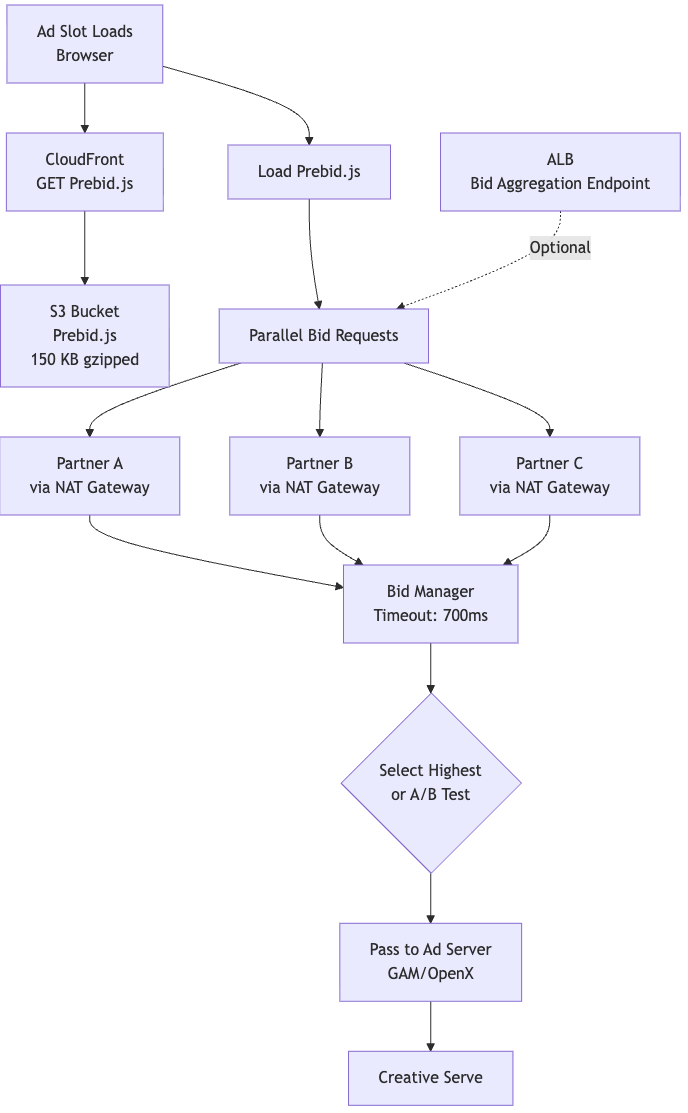
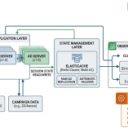
All demand partners are called in parallel from the browser via CloudFront distribution pointing to ALB-backed ad server. Each partner submits a bid; the auction logic selects the highest bidder and passes it to ad server (GAM, OpenX) for trafficking. Header bidding requires loading a JavaScript library (Prebid.js, typical size 150–250 KB) that manages timeouts, bid consolidation, and ad server integration. Prebid.js is served via CloudFront from S3 for low-latency global delivery.
Pros:
Auction fairness: all partners bid simultaneously; no systematic disadvantage to later partners.
Yield uplift: industry data shows 30–50% CPM increase vs waterfall due to competition.
Flexibility: bid selection logic can A/B test, apply custom rules, or honor first-look contracts.
Partner agnostic: new partners added without reordering or latency restructuring.
CloudFront edge caching reduces Prebid.js latency to <50 ms globally.
Cons:
Client-side burden: Prebid.js + bid adapters can add 200–500 ms JavaScript execution, especially on low-end mobile.
Payload size: Prebid.js (150+ KB), bid responses, and creative can double page size.
Publisher has medium-to-large demand partner base (5–20+).
CPM volatility high; static waterfall ordering becomes stale weekly.
Mobile latency tolerance reasonable (500+ ms acceptable).
Can invest in Prebid.js maintenance and partner onboarding.
Option 3: Server-Side Header Bidding (Prebid Server on ECS Fargate + Multi-Region Route 53)
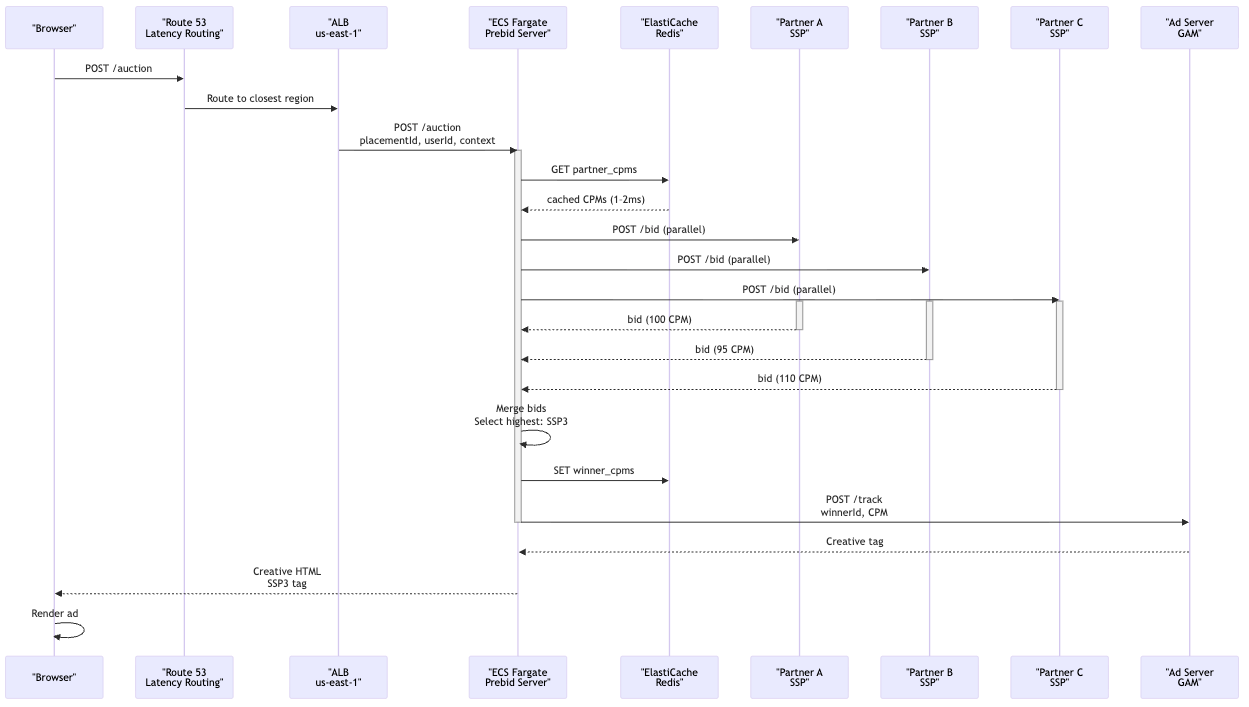
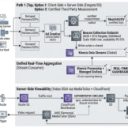
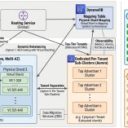
Auction logic runs on ECS Fargate services behind an Application Load Balancer, deployed across multiple AWS regions (us-east-1, eu-west-1, ap-northeast-1). Client-side JavaScript sends a single request via Route 53 latency-based routing to the nearest region's ALB; server fetches bids from all partners in parallel via VPC PrivateLink (where partner offers it) or NAT Gateway, selects the winner, and returns the ad tag to the client. This eliminates client-side JavaScript bloat, reduces cookie/consent complexity, and ensures all partners see identical bid request context.
AWS Architecture:
ECS Fargate clusters in us-east-1 (N. Virginia), eu-west-1 (Ireland), ap-northeast-1 (Tokyo) for low-latency partner integration globally.
Application Load Balancers (ALB) in each region, fronting Fargate services.
ElastiCache Redis clusters (one per region or shared via replication) for caching partner CPMs, reducing partner lookups.
NAT Gateway in each region's VPC for outbound calls to partner SSPs.
VPC PrivateLink where partners offer it (e.g., Google, Amazon SSP) to avoid internet egress costs.
Route 53 latency-based routing directs requests to nearest region.
DynamoDB (Global Tables) for auction logs, enabling multi-region replication for compliance audits.
Want to reduce JavaScript complexity and improve Core Web Vitals (CLS, FID).
Demand partners stable and integrated (not rapid onboarding churn).
Geographic distribution required; multi-region deployment justified.
Comparison Table
Dimension
Sequential Waterfall
Client Header Bidding
Server-Side Header Bidding
Latency (p50)
200–300 ms
500–800 ms (JS + bids)
400–600 ms (server RTT)
Latency (p99)
500–800 ms
1500–2000 ms
800–1200 ms
Throughput (bids/sec)
1000s (simple)
1000s (Prebid load)
10,000s (Fargate-scaled)
Cost (monthly, 100M impr/day)
$15k–20k
$20k–30k
$40k–80k
Operational Complexity
Low
Medium (partner onboarding)
High (Fargate ops, multi-region)
CPM Fairness
Low (systematic disadvantage downstream)
High (all partners compete equally)
High
Scalability
Up to ~5 partners viable
10–50+ partners
Unlimited partners
Privacy Compliance
Moderate (cookie leakage risk)
Moderate (TCF integration needed)
High (server-side enforcement)
Multi-Region Support
No
Limited (per-region Prebid.js)
Native (Route 53 + Fargate)
Recommendation
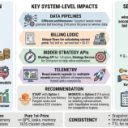
For most mid-to-large publishers, client-side header bidding (Option 2, Prebid.js) is the pragmatic choice. It balances yield uplift (30–50% CPM gains), reasonable latency (500–800 ms still acceptable for web), and moderate operational overhead. Publishers can start with 5–10 key demand partners, measure CPM lift, and expand incrementally. The Prebid.js ecosystem is mature, open-source, and vendor-neutral.
Migrate to server-side header bidding (Option 3) if any of these hold:
Operating at massive scale (>500M impressions/day) where per-request latency cost is material.
Privacy-first positioning required; need granular consent enforcement.
Core Web Vitals (Cumulative Layout Shift) a business metric; client-side JavaScript is drag.
Infrastructure team exists; can manage ECS Fargate and multi-region Route 53 routing.
Geographic distribution critical; need low-latency SSP calls from multiple regions.
Retain sequential waterfall (Option 1) only if:
Demand partner ecosystem is stable and small (<3 partners).
Mobile app context where JavaScript is minimal.
Geographic region with poor network conditions (high latency MTU); parallel calls make waterfall even slower.
Capacity & Performance Notes
Client-Side Header Bidding Baseline (Prebid.js via CloudFront):
Prebid.js library: ~150 KB gzipped (served via CloudFront edge, <50 ms latency).
Per-bid adapter: 10–30 KB.
Total JS for 10 partners: 250–400 KB.
Execution time (JS parse + bid assembly): 200–400 ms on mid-range mobile (e.g., Moto G7).