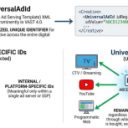
Universal Commerce Protocol (UCP) OverviewThe Universal Commerce Protocol (UCP) is a standardized way for digital properties, like websites or streaming services, to declare their commerce-related capabilities and endpoints. It uses the .well-known URI prefix, which is reserved for site-wide metadata and other client-specific information to be discovered consistently. This standardization aims to simplify integration for partners, advertisers, and other third parties who need to interact with a service's commercial operations. By defining a standard location (/.well-known/ucp), partners can programmatically discover essential commerce information, reducing manual configuration and enabling more efficient automated interactions. 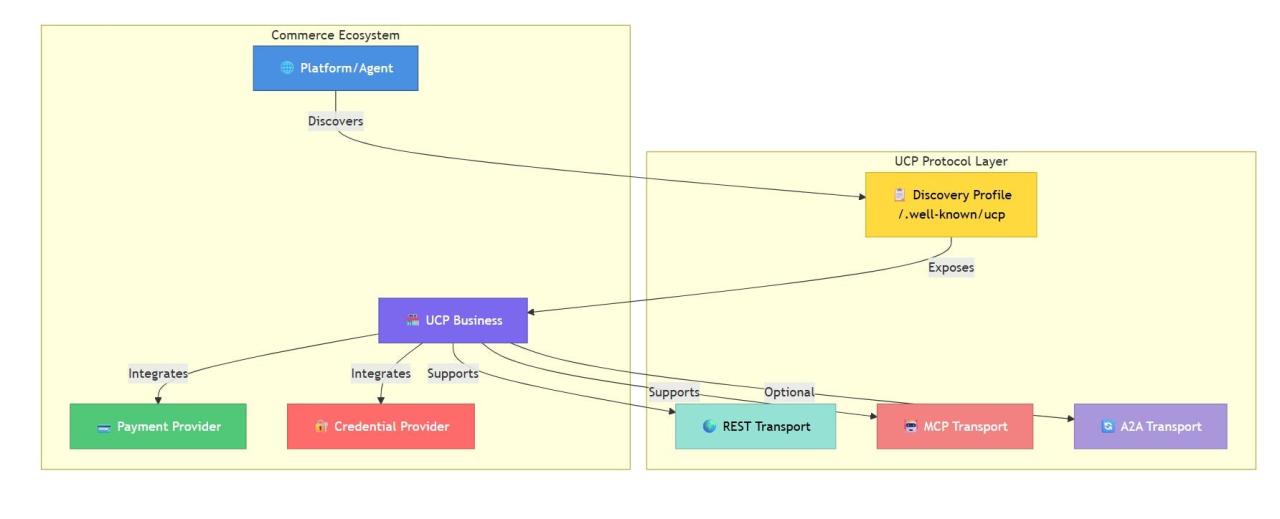
Relevance for AVOD ServicesFor an Advertising-Video On Demand (AVOD) service, UCP becomes particularly relevant because advertising is its primary monetization model, a core aspect of its "commerce." An AVOD service needs to expose information related to its ad inventory, policies, and potentially user account management (even for free tiers) to various partners: - Advertisers: To understand ad formats, targeting capabilities, and how to purchase inventory.
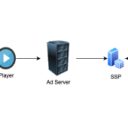
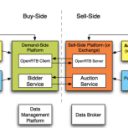
- Ad Exchanges/DSPs/SSPs: For programmatic advertising integration and bid requests.
- Content Licensors/Partners: Information about content availability for monetization.
- Users: While primarily commercial, it can point to user data management and privacy policies related to advertising.
- Billing & Finance Teams: External partners might need specific contacts for financial inquiries related to ad revenue.
UCP provides a structured way to declare these points of interaction, facilitating seamless integration and operation within the complex digital advertising ecosystem. Potential Information Within /.well-known/ucp for an AVOD ServiceAn AVOD service's UCP file would typically be a JSON document containing various commerce-related endpoints and details. Key sections could include: General InformationprotocolVersion: The version of the UCP specification being used.serviceName: The name of the AVOD service (e.g., "Example TV AVOD").documentationUrl: A link to developer documentation for interacting with the service's commerce APIs.
Monetization & AdvertisingadInventoryApi:endpoint: URL for an API detailing available ad inventory, formats, and targeting options.specificationUrl: Link to the API documentation for ad inventory.supportedAdFormats: List of supported ad formats (e.g., pre-roll, mid-roll, post-roll, banner-overlay).
adPolicyEndpoint:url: URL to the service's advertising policy page, outlining content restrictions, data usage, and brand safety guidelines.
programmaticAdEndpoint:endpoint: URL for programmatic ad requests (e.g., OpenRTB endpoint).supportedProtocols: List of supported programmatic protocols (e.g., OpenRTB 2.5).
User & Subscription ManagementEven for a free AVOD service, there might be user accounts for personalization, watch history, or potential premium (ad-free) tiers. accountManagement:userProfileUrl: URL where users can manage their account, preferences, and privacy settings.dataPrivacyPolicyUrl: URL to the service's data privacy policy.
subscriptionPlans: (If a premium, ad-free, or other paid tier exists)endpoint: URL for an API describing available subscription plans and their features.purchaseUrl: URL where users can subscribe to premium plans.
Content Licensing & RightsWhile primarily an internal concern, external partners involved in ad placement or content syndication might need to understand the commercial rights of content. contentRightsApi:endpoint: URL for an API detailing content licensing information relevant to commercial use (e.g., geographic restrictions for ad serving).documentationUrl: Link to documentation for this API.
Commercial ContactscommercialContact:email: Email address for general commercial inquiries (e.g., ad sales, partnerships).phone: Optional phone number for commercial inquiries.
technicalSupportContact:email: Email address for technical support related to API integrations.
Example /.well-known/ucp for an AVOD service{
"protocolVersion": "1.0",
"serviceName": "ExampleStream AVOD",
"documentationUrl": "https://developer.examplestream.com/commerce-api-docs",
"monetization": {
"adInventoryApi": {
"endpoint": "https://api.examplestream.com/v1/ad-inventory",
"specificationUrl": "https://developer.examplestream.com/docs/ad-inventory-api",
"supportedAdFormats": [
"pre-roll",
"mid-roll",
"post-roll",
"banner-overlay"
],
"targetingCapabilities": [
"demographic",
"geographic",
"device",
"content-genre"
]
},
"adPolicyEndpoint": {
"url": "https://www.examplestream.com/advertising-policy"
},
"programmaticAdEndpoint": {
"endpoint": "https://bidder.examplestream.com/rtb/v25",
"supportedProtocols": [
"OpenRTB 2.5"
],
"bidderDocumentationUrl": "https://developer.examplestream.com/docs/programmatic-bidding"
}
},
"accountManagement": {
"userProfileUrl": "https://www.examplestream.com/my-account",
"dataPrivacyPolicyUrl": "https://www.examplestream.com/privacy-policy",
"termsOfServiceUrl": "https://www.examplestream.com/terms-of-service"
},
"subscriptionPlans": {
"endpoint": "https://api.examplestream.com/v1/subscription-plans",
"purchaseUrl": "https://www.examplestream.com/subscribe",
"availablePlans": [
{
"id": "free-ad-supported",
"name": "Free (Ad-Supported)",
"description": "Access all content with ads."
},
{
"id": "premium-ad-free",
"name": "Premium (Ad-Free)",
"description": "Access all content without ads, plus offline downloads.",
"price": {
"amount": 9.99,
"currency": "USD",
"interval": "monthly"
}
}
]
},
"contentRights": {
"contentRightsApi": {
"endpoint": "https://api.examplestream.com/v1/content-rights",
"documentationUrl": "https://developer.examplestream.com/docs/content-rights-api"
}
},
"contacts": {
"commercialContact": {
"email": "partnerships@examplestream.com",
"phone": "+1-800-555-0199"
},
"technicalSupportContact": {
"email": "techsupport@examplestream.com"
}
}
}
The Nextwaves UCP Tester (https://nextwaves.com/tools/ucp-tester) is an online utility designed to verify the validity of UCP (Uniform Customs and Practice for Documentary Credits) rule references. 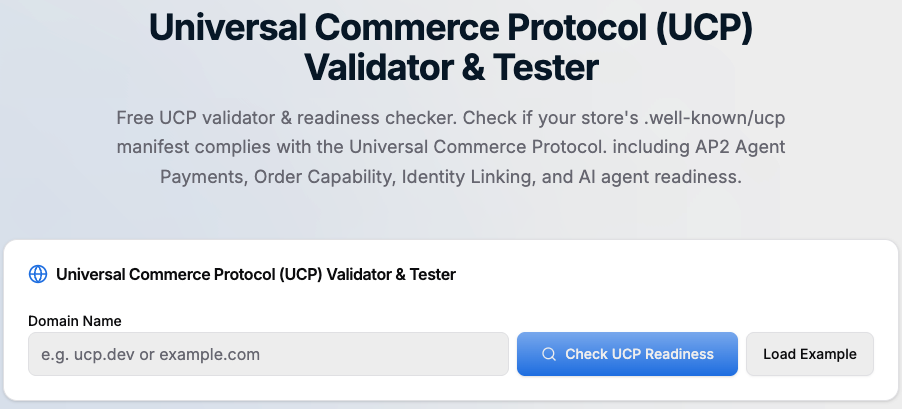
|