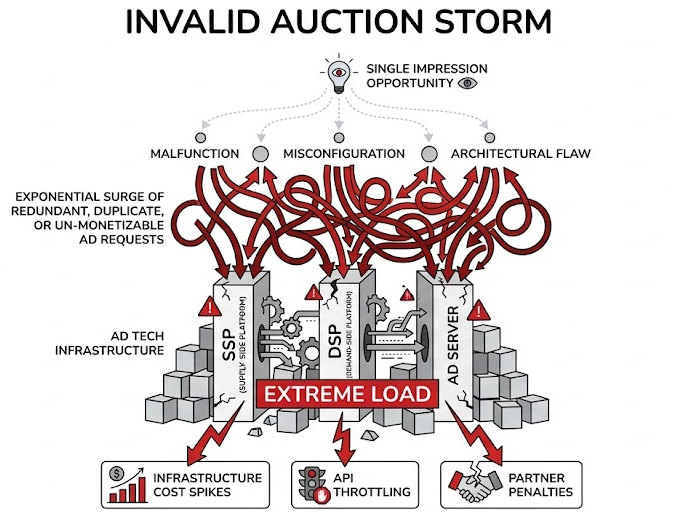
An Invalid Auction Storm occurs when a malfunction, misconfiguration, or architectural flaw causes an exponential surge of redundant, duplicate, or un-monetizable ad requests for a single impression opportunity.
This places extreme load on Supply-Side Platforms (SSPs), Demand-Side Platforms (DSPs), and Ad Servers without generating revenue, often resulting in infrastructure cost spikes, API throttling, and partner penalties.
1. Root Causes and Triggers
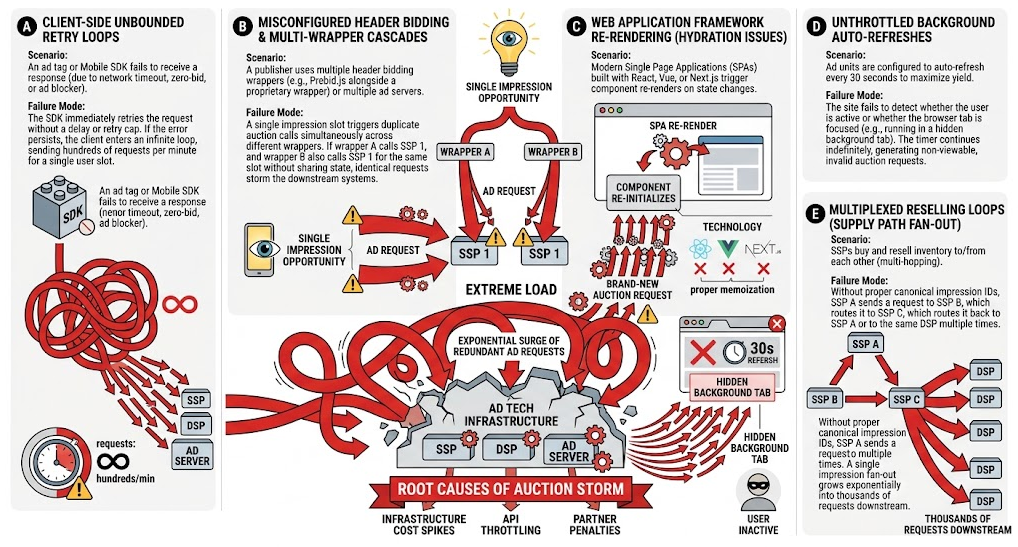
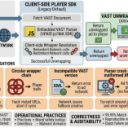
A. Client-Side Unbounded Retry Loops
Scenario: An ad tag or Mobile SDK fails to receive a response (due to network timeout, zero-bid, or ad blocker).
Failure Mode: The SDK immediately retries the request without a delay or retry cap. If the error persists, the client enters an infinite loop, sending hundreds of requests per minute for a single user slot.
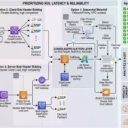
B. Misconfigured Header Bidding & Multi-Wrapper Cascades
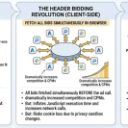
Scenario: A publisher uses multiple header bidding wrappers (e.g., Prebid.js alongside a proprietary wrapper) or multiple ad servers.
Failure Mode: A single impression slot triggers duplicate auction calls simultaneously across different wrappers. If wrapper A calls SSP 1, and wrapper B also calls SSP 1 for the same slot without sharing state, identical requests storm the downstream systems.
C. Web Application Framework Re-rendering (Hydration Issues)
Scenario: Modern Single Page Applications (SPAs) built with React, Vue, or Next.js trigger component re-renders on state changes.
Failure Mode: If ad tag initialization logic is placed inside un-memoized component lifecycles (e.g., useEffect without proper dependency arrays), every minor UI update re-initializes the ad tag and fires a brand-new auction request.
D. Unthrottled Background Auto-Refreshes
Scenario: Ad units are configured to auto-refresh every 30 seconds to maximize yield.
Failure Mode: The site fails to detect whether the user is active or whether the browser tab is focused (e.g., running in a hidden background tab). The timer continues indefinitely, generating non-viewable, invalid auction requests.
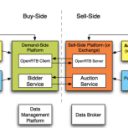
E. Multiplexed Reselling Loops (Supply Path Fan-Out)
Scenario: SSPs buy and resell inventory to/from each other (multi-hopping).
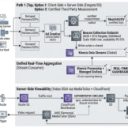
Failure Mode: Without proper canonical impression IDs, SSP A sends a request to SSP B, which routes it to SSP C, which routes it back to SSP A or to the same DSP multiple times. A single impression fan-out grows exponentially into thousands of requests downstream.
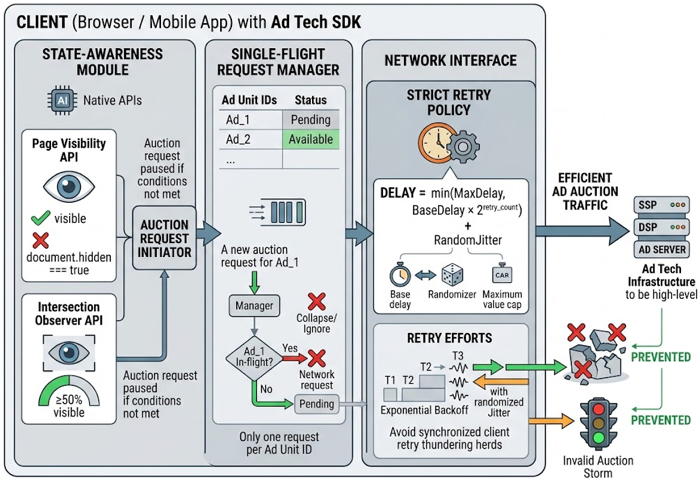
2. Visibility & State-Aware Execution Enforce request guards using native web and mobile APIs before initiating an auction:
Page Visibility API: Pause all auction requests and auto-refresh timers when document.hidden === true.
Intersection Observer API: Only allow ad refreshes or initial auctions when the ad slot is at least 50% visible in the viewport.
3. Single-Flight Request Pattern Ensure that for any given Ad Unit ID, only one network request is "in-flight" at a time. Subsequent triggers while a request is pending must be collapsed or ignored.
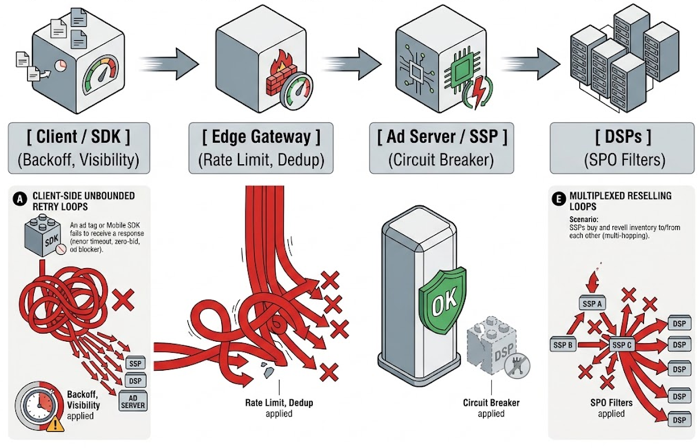
B. Edge Gateway & Ingestion Layer Architecture
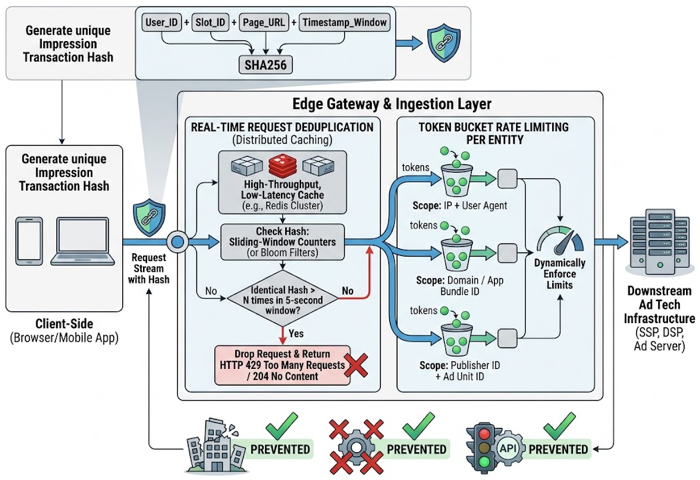
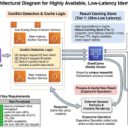
1. Real-Time Request Deduplication (Distributed Caching) Generate a unique Impression Transaction Hash at the client edge based on: SHA256(User_ID + Slot_ID + Page_URL + Timestamp_Window)
Implementation: Use a high-throughput, low-latency cache (e.g., Redis Cluster or Redis Enterprise) with sliding-window counters or Bloom Filters at the API Gateway.
Action: If an identical hash is received more than N times within a 5-second window, drop subsequent requests at the edge with HTTP status 429 Too Many Requests or 204 No Content.
2. Token Bucket Rate Limiting per Entity Enforce rate limits dynamically at the gateway using leaky/token bucket algorithms scoped to:
IP address / User Agent combination.
Domain / App Bundle ID.
Publisher ID + Ad Unit ID.
C. Server-Side & Auction Pipeline Architecture
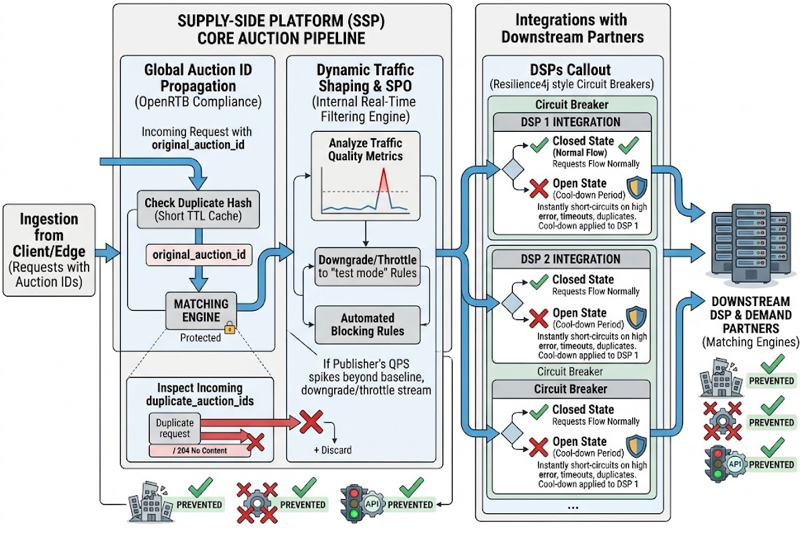
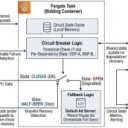
1. Circuit Breakers for Downstream Integrations Implement circuit breakers (e.g., using patterns like Resilience4j) on callouts to DSPs and demand partners.
Closed State: Requests flow normally.
Open State: If an SSP detects a DSP returning high error rates, timeouts, or duplicate auction IDs above a set threshold, the circuit trips. Requests to that specific DSP are instantly short-circuited for a cool-down period, preventing cascading system failure.
2. Global Auction ID Propagation (OpenRTB Compliance) Ensure the original auction_id or imp.id generated at the top of the supply chain is strictly propagated through all mid-tier hops.
SSPs and DSPs must inspect incoming requests for duplicate auction_ids within a short TTL (Time-To-Live) window and discard duplicates before entering the internal matching engine.
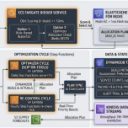
Deploy an internal real-time filtering engine that analyzes traffic quality metrics:
If a publisher's QPS (Queries Per Second) spikes beyond historical baselines without a corresponding spike in real user traffic, automatically downgrade or throttle the inventory stream to "test mode" or block it via automated rules.
3. Monitoring, Detection, and Governance
Strategy
Mechanism
Action Triggered
Real-Time QPS Anomaly Detection
Stream processing (e.g., Apache Flink / Kafka Streams) calculating moving averages of QPS per Publisher.
Automated Alert + Dynamic Throttling Rule deployment via API Gateway.
Zero-Bid / Timeout Ratio Tracking
Monitoring ratio of auctions resulting in zero bids or execution timeouts.
Auto-disable auto-refresh timers on troublesome ad units.
Kill Switches / Feature Flags
Remote configuration control (e.g., LaunchDarkly or custom config server).
Instantly disable specific wrappers or demand adapters client-side without pushing code updates.