| Internet advertising services need to serve targeted advertising and must do so under limited time. These are just two of multiple technical challenges they face.
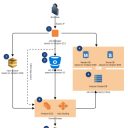
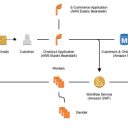
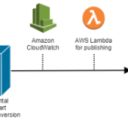
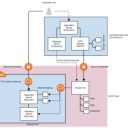
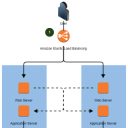
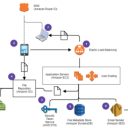
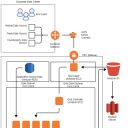
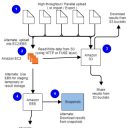
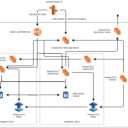
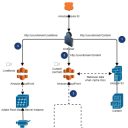
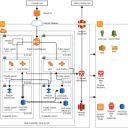
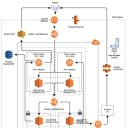
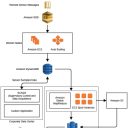
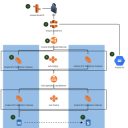
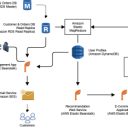
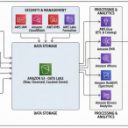
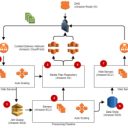
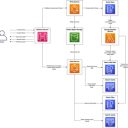
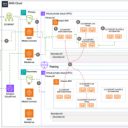
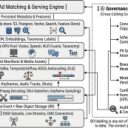
Below diagram shows the two main parts of such a system: ad serving infrastructure and click-through collection featuring a data analysis cluster. 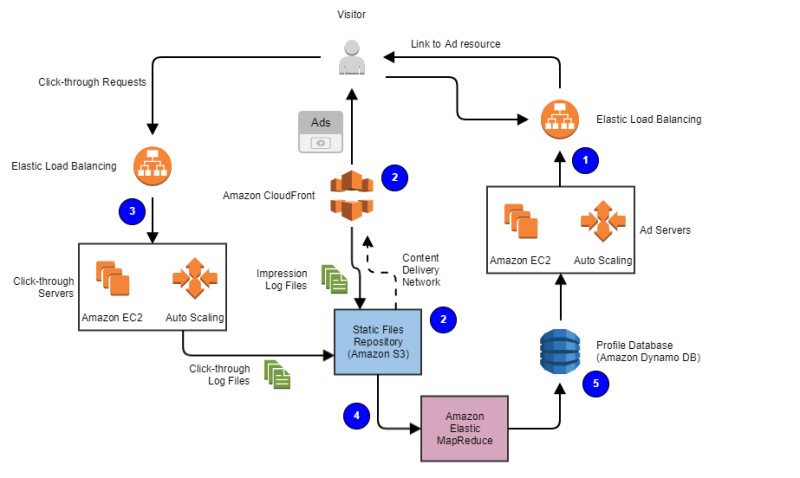
"Click-through" in advertising refers to the action of a user clicking on an online advertisement. This click then directs the user to a landing page, website, or another specific destination.
Here's a breakdown of the key concepts:
- Click: The user interacts with the advertisement by clicking on it.
- Through: This indicates the user is being directed "through" the ad to a different location.
- Click-Through Rate (CTR): A metric that measures the percentage of users who click on an ad compared to the total number of users who see it. A high CTR signifies a successful ad that captures users' interest.
Click-throughs are important because they: - Measure ad effectiveness: They show how appealing an ad is to users.
- Drive traffic: They direct users to the advertiser's website or landing page.
- Generate leads and sales: Ultimately, click-throughs can lead to conversions, such as purchases or sign-ups.
Examples: - A user sees an ad for a new phone on a social media platform. They click on the ad and are taken to the phone manufacturer's website to learn more.
- A banner ad for a clothing store appears on a news website. A user clicks the ad and is redirected to the store's online shop.
Understanding click-throughs is essential for advertising success. It allows advertisers to gauge the effectiveness of their campaigns, optimize their ads, and ultimately reach their target audience.
|