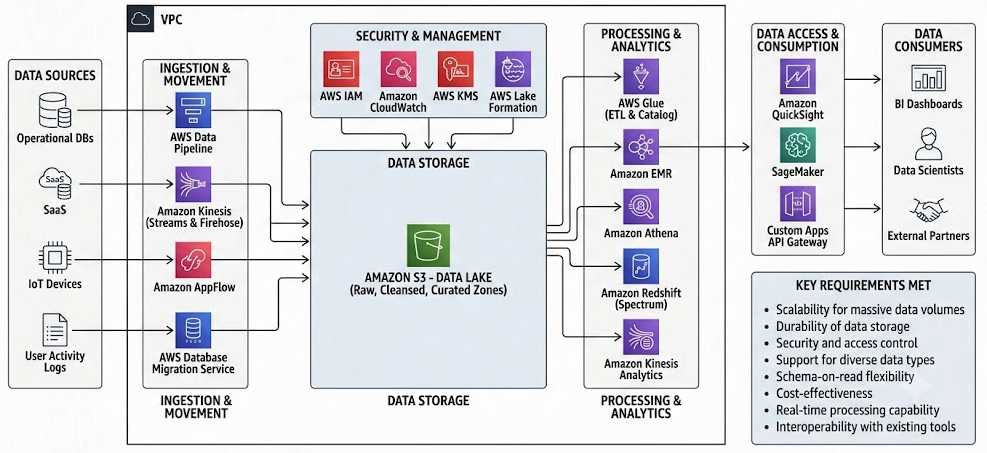
A data lake is a centralized repository that stores raw, unprocessed data from various sources, regardless of structure or format, using a schema-on-read approach. It allows organizations to collect and store large volumes of data at scale, enabling them to analyze and derive insights from diverse data sources, including structured, semi-structured, and unstructured data, without predefined schemas. This allows for greater flexibility and scalability in data management and analytics, making it suitable for various use cases, such as big data analytics, machine learning, and data warehousing.
A data lake is a centralized repository that stores raw, unprocessed data in its native format, while a data mart is a subject-oriented data warehouse that contains processed and aggregated data for specific business areas. Essentially, a data lake is a raw, unfiltered pool of data, while a data mart is a refined, tailored subset of that data designed for specific analytical purposes.
Kinesis: Streaming Data in the Cloud
Kinesis is a real-time data processing service offered by Amazon Web Services (AWS). Its key role is ingesting, processing, and analyzing massive amounts of data streams at incredibly high speeds.
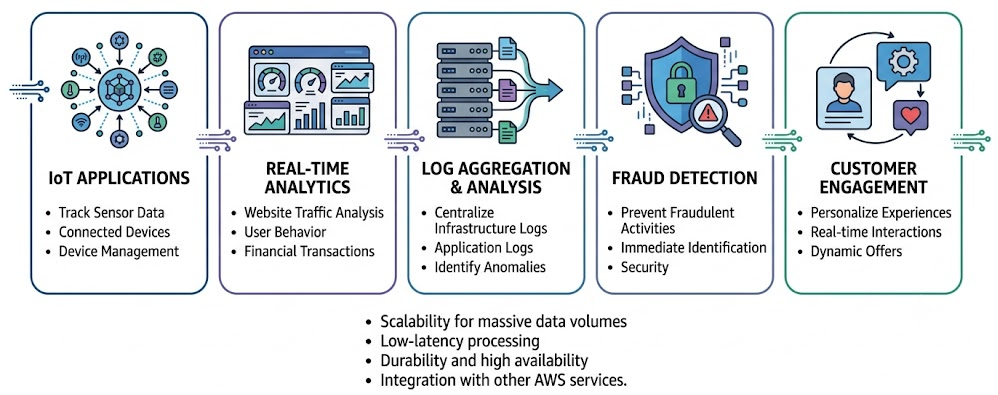
This makes it ideal for applications that require immediate insights from continuously flowing data, like:
IoT applications: Tracking sensor data from connected devices.
Real-time analytics: Analyzing website traffic, user behavior, and financial transactions in real-time.
Log aggregation and analysis: Centralizing and analyzing logs from applications and infrastructure.
Fraud detection: Identifying and preventing fraudulent activities in real-time.
Customer engagement: Personalizing customer experiences based on real-time interactions.
Kinesis offers two core services:
1. Kinesis Data Streams: Real-time Data Ingestion and Processing
What it is: A managed service for ingesting and processing real-time data streams.
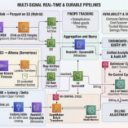
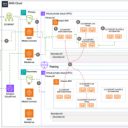
How it works: Data producers (like sensors, applications, or websites) send data to Kinesis Data Streams in the form of records. Consumers (like analytics engines or data processing applications) read these records from the stream in real-time.
Key Features:
Scalability: Automatically scales to handle high volumes of data.
Durability: Data is stored reliably and redundantly across multiple availability zones.
Low latency: Enables fast data processing and analysis.
Flexibility: Allows for multiple consumers to read from the same stream, enabling real-time data sharing and collaboration.
2. Kinesis Data Firehose: Real-time Data Loading to Data Lakes and Data Warehouses
What it is: A fully managed service that captures and loads data streams into data lakes and data warehouses in real-time.
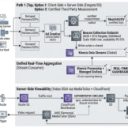
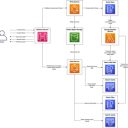
How it works: Kinesis Data Firehose continuously collects data from various sources, such as applications, APIs, and web logs. It then automatically transforms and aggregates this data before loading it into destinations like Amazon S3, Amazon Redshift, or Amazon Elasticsearch Service.
Key Features:
Simplified Data Pipeline: Eliminates the need to build and manage complex data pipelines.
Real-time Data Delivery: Delivers data to destinations in near real-time.
Scalability and Reliability: Handles large volumes of data reliably and scales automatically.
Data Transformation: Offers built-in features for data transformation and aggregation.
In summary, Kinesis provides a powerful platform for handling real-time data streams. Kinesis Data Streams is ideal for building real-time applications, while Kinesis Data Firehose simplifies data loading and processing for data warehousing and analytics.