Financial services grid computing in AWS | ||
| ||
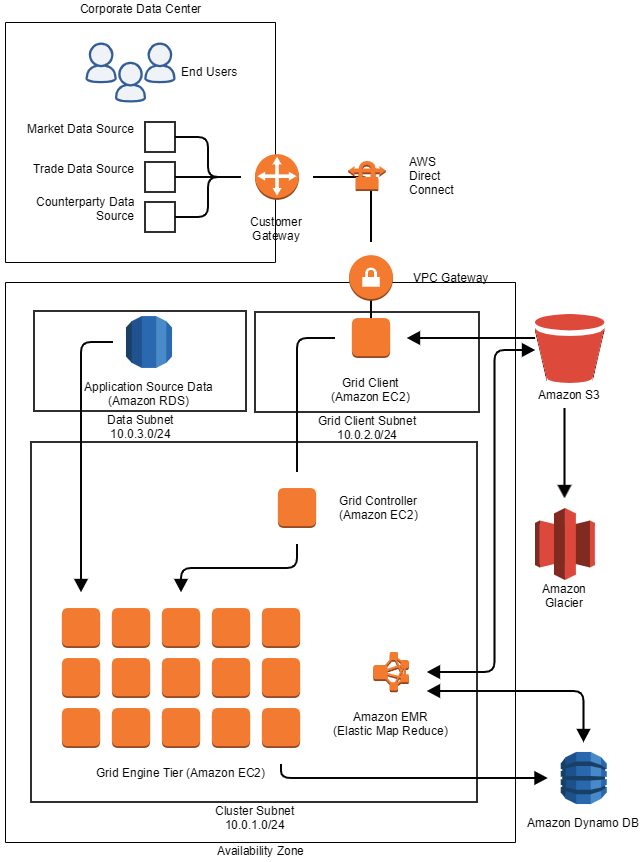
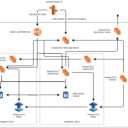
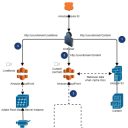
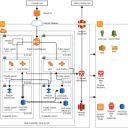
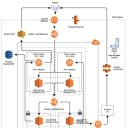
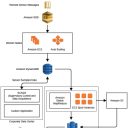
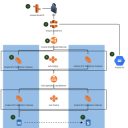
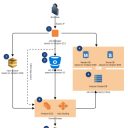
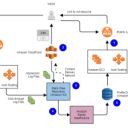
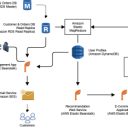
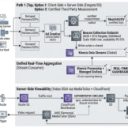
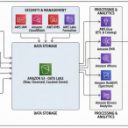
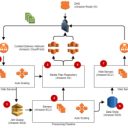
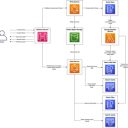
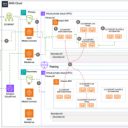
| Grid computing is a distributed computing paradigm that connects geographically dispersed computers, often heterogeneous and owned by different organizations, into a single virtual supercomputer. This allows users to access and utilize the combined processing power, storage, and resources of these interconnected machines as a unified entity, enabling the execution of complex tasks and the handling of massive datasets that would be impossible for individual computers to manage. A grid computing example in the finance sector is the use of distributed computing resources to analyze large datasets and develop complex financial models. This enables financial institutions to perform risk analysis, portfolio optimization, and fraud detection with greater speed and accuracy. For example, a hedge fund could utilize a grid to run simulations on various investment strategies, or a bank could leverage it to analyze billions of transactions for potential fraud. Financial services grid computing on the cloud provides dynamic scalability and elasticity for operation when compute jobs are required, and utilizing services for aggregation that simplify the development of grid software. The key point of this architecture is dividing roles and responsibilities
On demand provisioning of hardware, and template driven development, combined with low latency access to existing on-permise data sources make AWS a powerful platform for high performance grid computing systems.
| ||
| | ||
| |