Architecting Dynamic Scale-Out and Scale-In with Docker Containers | ||
| ||
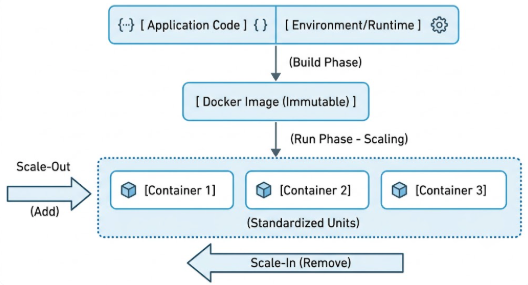
1. Conceptual Framework: Code-to-Container ScalingTo represent container scaling architecturally, you must treat the Docker container as an immutable, self-contained unit of execution. The application code, runtime environment, libraries, and configurations are packaged into a single Docker image. Scaling is achieved not by making a single container larger (vertical scaling/scale-up), but by dynamically adjusting the number of running container instances (horizontal scaling/scale-out and scale-in) based on demand.
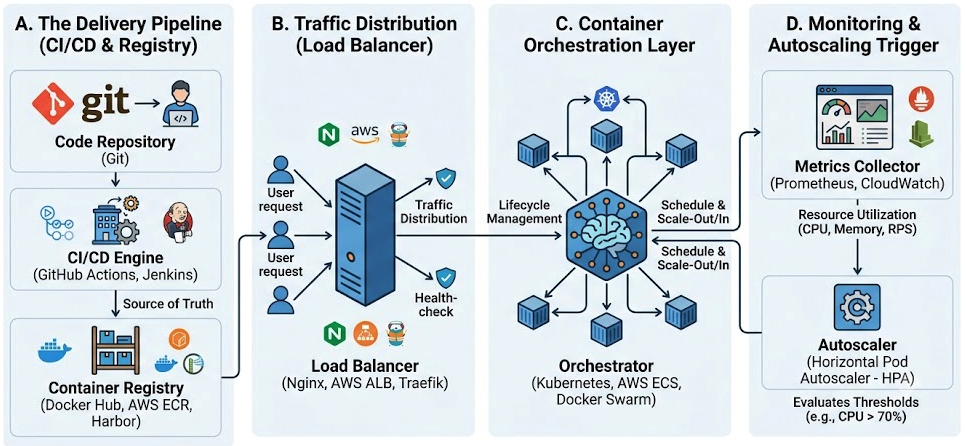
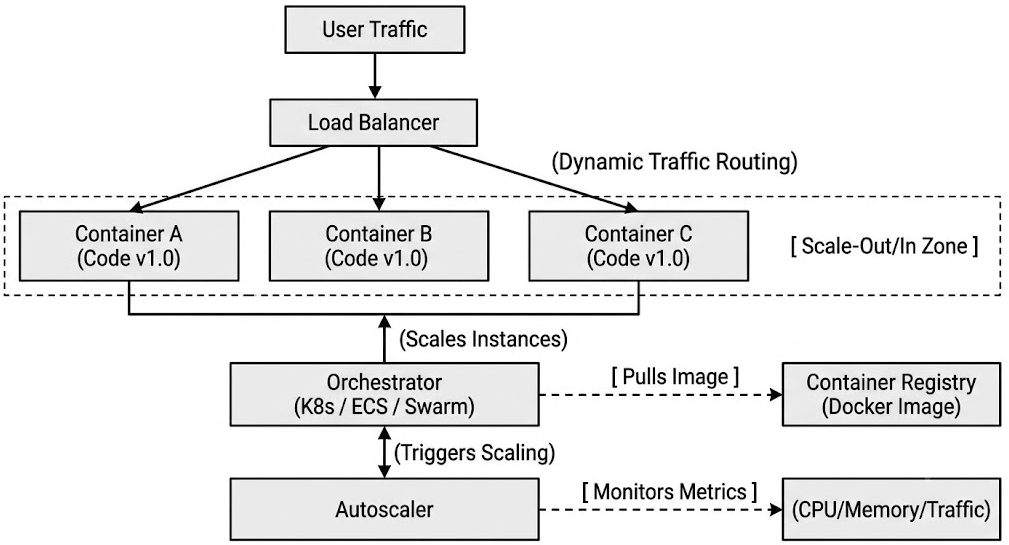
2. Key Architectural ComponentsTo design a scalable container architecture, five core components must interact seamlessly:
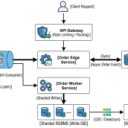
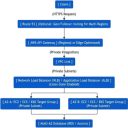
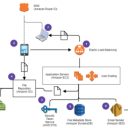
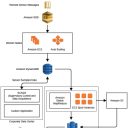
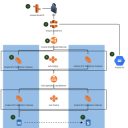
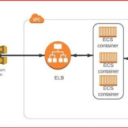
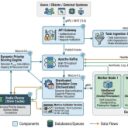
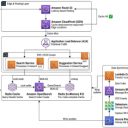
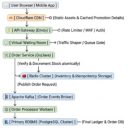
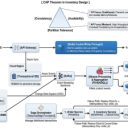
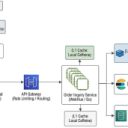
3. Architectural Diagram (Visual Representation)This diagram illustrates how user traffic triggers autoscaling, and how the orchestrator pulls the packaged code (Docker Image) to scale out onto compute nodes.
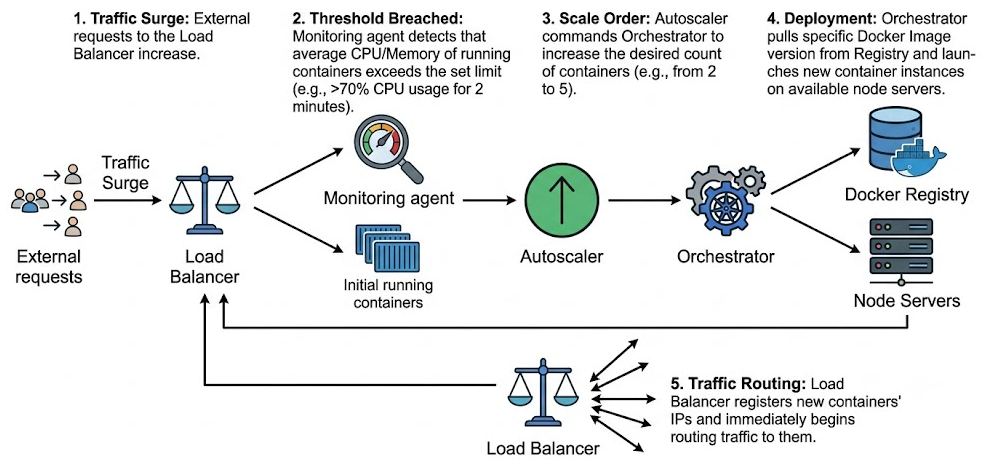
4. Scale-Out Sequence (Handling Traffic Spikes)
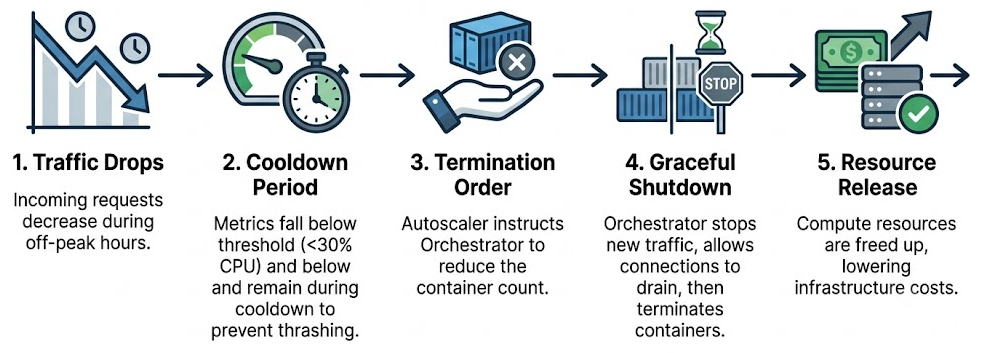
5. Scale-In Sequence (Cost Optimization)
6. Core Architectural Best PracticesTo make this architecture work effectively in production, the code and the container environment must adhere to specific design principles:
| ||
| | ||
| |