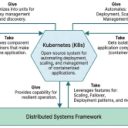
| Kubernetes, often shortened to K8s, is an open-source container orchestration platform. Think of it as an operating system for your containerized applications. It automates the deployment, scaling, and management of those applications. 
Here's a breakdown of what that means:- Containers: Containers package up an application and its dependencies (like libraries and frameworks) so it can run consistently across different environments. Docker is a popular containerization technology.
- Orchestration: Kubernetes "orchestrates" these containers. This means it handles the complexities of:
- Deployment: Putting the containers onto servers (or virtual machines).
- Scaling: Automatically adding or removing containers based on demand. If your website traffic suddenly spikes, Kubernetes can spin up more containers to handle the load.
- Management: Monitoring the health of the containers, restarting them if they fail, and handling updates and rollbacks.
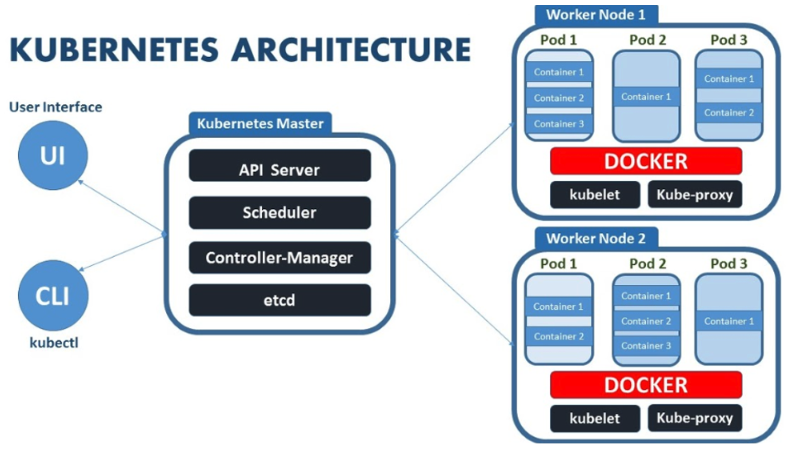
In simpler terms:Imagine you have a bunch of Lego bricks (your containers) that you want to assemble into a complex structure (your application). Kubernetes is like a master builder that: - Figures out where each brick should go.
- Adds more bricks if the structure needs to be bigger.
- Fixes broken bricks if they fall off.
- Upgrades the structure with newer, better bricks.
Key Benefits of Kubernetes:- Scalability: Easily scale your applications up or down based on demand.
- Availability: Ensures your applications are always running by automatically restarting failed containers.
- Portability: Run your applications consistently across different environments (cloud, on-premises, hybrid).
- Automation: Automates many of the manual tasks associated with deploying and managing applications.
- Resource Utilization: Optimizes resource usage by efficiently allocating containers to available resources.
In conclusion, Kubernetes is a powerful tool for modern application development, enabling faster deployments, improved scalability, and increased efficiency. It simplifies the management of complex containerized applications, allowing developers to focus on building features rather than managing infrastructure. |