Mastering AI: A Beginner's Guide to Python Programming and Beyond

CK CK 3788 
Created at  
1,033 0 0

AI stands for Artificial Intelligence. It refers to the simulation of human intelligence processes by machines, especially computer systems. These processes include learning (the acquisition of information and rules for using the information), reasoning (using rules to reach approximate or definite conclusions), and self-correction. AI encompasses various subfields, such as machine learning, natural language processing, computer vision, robotics, and more. The goal of AI is to create systems that can perform tasks that would typically require human intelligence, such as understanding natural language, recognizing patterns in data, making decisions, and even learning from experience.

Torch, and scikit-learn that simplify AI development. Additionally, its syntax is easy to learn and understand, making it an excellent choice for those new to programming.

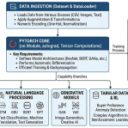
  • Machine Learning with scikit-learn: If you're just starting with AI, diving into machine learning using scikit-learn can be a straightforward approach. Scikit-learn provides simple and efficient tools for data mining and data analysis. It includes various algorithms for classification, regression, clustering, dimensionality reduction, and model selection.

  • Deep Learning with TensorFlow or PyTorch: Once you're comfortable with machine learning, you can explore deep learning using libraries like TensorFlow or PyTorch. These libraries provide tools for building and training neural networks, which are essential for tasks like image recognition, natural language processing, and more.

  • Natural Language Processing (NLP) with NLTK or spaCy: If you're interested in working with text data, NLP is a fascinating field. Libraries like NLTK (Natural Language Toolkit) or spaCy offer tools and resources for text processing, tokenization, part-of-speech tagging, named entity recognition, and more.

  • Computer Vision with OpenCV: If you're interested in working with images and videos, computer vision is an exciting area within AI. OpenCV (Open Source Computer Vision Library) provides a comprehensive set of tools for image processing, object detection, face recognition, and more.

Remember, while Python is often recommended for beginners due to its simplicity and extensive libraries, other programming languages like R and Julia also have robust ecosystems for AI and machine learning. It's essential to choose the language and approach that align with your interests and goals. Additionally, online tutorials, courses, and resources can help you get started and progress in your AI journey.

Mastering AI: A Beginner's Guide to Python Programming and Beyond

Geeks for Geeks has a course for studying AI based on Python, and below link will be helpful if you have interest in AI Programming

https://www.geeksforgeeks.org/python-ai/ 

Tags AI Computer Vision Deep Learning Machine Learning NLP NLTK Natural Language Processing OpenCV PyTorch TensorFlow spaCy Facebook X
Comments 0
Similar posts
  1. Mastering Supervised Machine Learning with Python: A Comprehensive Guide
    1,056
  2. Getting Started with PyTorch: A Beginner's Guide to Building Your First Neural Network
    800
  3. Understanding and Implementing K-Nearest Neighbors (KNN) Algorithm in Python
    633
  4. Content-Based Filtering for Recommendation Service (aka User-based Model)
    188
  5. Memory-Based Collaborative Filtering for Recommendation Service
    193
  6. Model-Based CF: Matrix Factorization for Recommendation Service
    178
  7. Hybrid Methods for Recommendation Service
    217
  8. Sequence Models (RNN / Transformer) for Recommendation Service widely used at OTT and e-Commerce
    248
  9. Two-Tower Model for Recommendation Service having a Very Large Catalog
    263
  10. Wide & Deep / DeepFM for Recommendation Service (aka Ranking Service)
    252
  11. Harnessing the Power of Random Forest Algorithm in Python
    658
  12. Mastering Model Persistence: Saving and Loading Trained Machine Learning Models in Python
    1,156
  13. YouTube's Recommendation System
    263
  14. Reinforcement Learning–Based Methods for CTR Improvement based on Recommendation System
    265
  15. Forecasting the Weather with PyTorch: A Beginner's Guide to Temperature Prediction
    1,434
  16. Forecasting with Linear Regression and KNN Regression in Python
    925
  17. Approaches to Scene Detection in Video Processing
    645
  18. Vector Databases: From Embeddings to Application
    315
  19. Image Embeddings for Vector Databases
    247
  20. Machine Learning Models for Ad Detection from a Video Stream
    188
  21. FAISS Already Does ANN... So Why Do Top Teams Still Pay for SageMaker?
    309
  22. TikTok's Recommendation System - Monolith
    291
  23. Milvus & FAISS: Decoding Their ML Synergy
    278
  24. PyTorch example to Forcast Stock Price based on 10 days Dataset
    651
  25. Predicting Buyer Preferences with PyTorch: A Deep Learning Approach
    1,233
  26. Mastering Ad Budget Throttling: Static, PID, and ML Strategies
    320
  27. Ad Impression Forecasting (aka Ad Inventory Forecasting): Architecting for Scale, Speed, and Accuracy
    329
  28. AI-Powered Ad Fraud Detection: Architectural Strategies
    333
  29. Brand Safety: AI-Driven Content Moderation on AWS
    719
  30. Video Scence Detection with PySceneDetect
    2,320
  1. Dynamic DNS Made Easy: Building a Python-Based Solution
    795
  2. Milvus & FAISS: Decoding Their ML Synergy
    278
  3. Save clustering result (aka dictionary) in JSON and Reuse loaded result
    378
  4. Forecasting with Linear Regression and KNN Regression in Python
    925
  5. Forecasting the Weather with PyTorch: A Beginner's Guide to Temperature Prediction
    1,434
  6. Uvicorn, Gunicorn: Proving Your Production Prowess
    397
  7. Mastering Model Persistence: Saving and Loading Trained Machine Learning Models in Python
    1,156
  8. Harnessing the Power of Random Forest Algorithm in Python
    658
  9. Understanding and Implementing K-Nearest Neighbors (KNN) Algorithm in Python
    633
  10. Mastering Random Forest Regression: A Comprehensive Guide with Python Examples
    1,096
  11. Simple Python Clustering Example based on the high school students' score
    339
  12. Getting Started with PyTorch: A Beginner's Guide to Building Your First Neural Network
    800
  13. Memory Problems with Python Arrays? Discover Dask Array
    323
  14. Python Implementation of Linear Regression
    839
  15. Mastering Supervised Machine Learning with Python: A Comprehensive Guide
    1,056
Recently updated
  1. Why 100% SEO Guarantees Better User Engagement and How to Achieve It in Your Service
    39
  2. Why SPF and DKIM Are Essential for Linux Email Servers?
    34
  3. How do I create animated background for Google Meet?
    20,611
  4. MaxMind GeoLite2 vs. DB-IP Lite vs. ip-api.com: Choosing the Right Free IP Geolocation Solution
    244
  5. Meet Valkey: Why Redis Changed Its License, Why Valkey is Better, and How to Use It as a Drop-in Replacement
    94
  6. How Rogue Web Scrapers Are Stealing My Content and Destroying My Server
    156
  7. Array of arguments passed to script in PHP
    90
  8. Invalid Auction Storms in Ad Tech
    98
  9. Building MRC-Compliant Instrumentation in Ad Tech: Implementation Steps and Key Challenges
    202
  10. The Two Clocks of Ad Server Architecture
    69
  11. Frequency Cap Architecture Overview
    514
  12. Collecting Proof-of-Play from 100,000 Screens
    145
  13. Vector Search in Relational Databases (RDBs): Trends & Usage Environments
    287
  14. What is RedisVL?
    108
  15. Designing a Skill Registry Architecture: Minimize Token Usage and Maximize AI Performance
    230
  16. TPU & GPU Cluster Management Tools
    243
  17. The Concept of Scaffolding in AI Agents
    232
  18. Beyond Static Pipelines: Architecting LLM Multi-Agent Systems for Autonomous Workflow Orchestration
    582
  19. AI-DLC vs. AI-SDLC: Model-Centric vs. System-Centric AI Development
    258
  20. Fine-Tuning Open-Weight LLMs: Training, Licensing, and Deploying Custom Models with Ollama
    338
  21. Inside the Next-Generation Streaming Architecture: Ultra-Low Latency, SGAI, and AI Codecs
    202
  22. Machine Learning: Training vs. Ranking
    221
  23. The Continuous Learning Machine: Designing a Loop That Actually Turns
    222
  24. The Next-Gen Low-Latency Standards: LL-HLS & MoQ
    195
  25. Designing a Data Curation System Around a Vector Database
    220
  26. Extracting Context from Live Video: The Architecture Got Simpler When We Stopped Building Features
    256
  27. The New Ad Stack Behind Live Sports Streaming: Inside SGAI, EABN, and the Standards Race to Fix Live Monetization
    655
  28. Designing MLOps Architectures to Handle Seasonal Data Drift in EV Fleet Models
    195
  29. From 15 to 40+ FPS: Accelerating PyTorch Object Detection on Automotive ECUs
    216
  30. Understanding Data Lineage
    259