Understanding and Implementing K-Nearest Neighbors (KNN) Algorithm in Python | ||
| ||
| In the realm of machine learning, there exists a multitude of algorithms, each with its unique strengths and weaknesses. One such algorithm, widely used for classification and regression tasks, is the K-Nearest Neighbors (KNN) algorithm. In this blog post, we will delve into the basics of the KNN algorithm, its implementation in Python, and provide a forecasting example based on sample inputs.
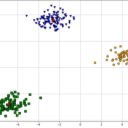
K-Nearest Neighbors (KNN) is a simple yet powerful algorithm used for both classification and regression tasks in machine learning. The core idea behind KNN is to classify a new data point based on the majority class of its k nearest neighbors. It operates under the assumption that similar data points tend to belong to the same class.
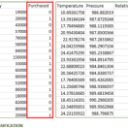
We'll be using Python's scikit-learn library to implement the KNN algorithm. Let's walk through a simple example: In the provided example, we trained our KNN classifier with a sample dataset consisting of three input variables. Subsequently, we used this trained classifier to predict the labels for new data points (X_test). The predicted labels for the given test samples were successfully displayed.
In this blog post, we explored the fundamentals of the K-Nearest Neighbors (KNN) algorithm and demonstrated its implementation in Python using the scikit-learn library. KNN is a versatile algorithm suitable for various machine learning tasks, particularly in scenarios where the data is non-linear and requires simple yet effective classification or regression. By understanding and effectively implementing KNN, data scientists and machine learning enthusiasts can expand their toolkit to tackle a wide array of real-world problems with ease. | ||
| | ||
| |