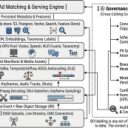
| There are many components in the advanced advertising ecosystem for content creators and publishers to effectively monetize their video content. They achieve this by leveraging cutting-edge AdTech, automation, and strategic partnerships.
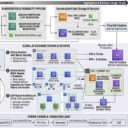
How Ads are delivered in general:1. Ad Request: The video player, upon encountering an ad space, sends a request to the Ad Server with user and content information (anonymized location, device type, etc.).
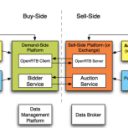
2. SSP and Ad Exchange: The Ad Server passes the request to a Supply-Side Platform (SSP). The SSP uses Ad Exchanges to initiate a real-time auction.
3. DSP Bidding: Demand-Side Platforms (DSPs) participate in the auction, evaluating if the ad impression matches their targeting criteria. They bid in real-time.
4. Winner Selection: The Ad Exchange declares the highest bidder as the winner.
5. Ad Delivery: The SSP notifies the publisher's Ad Server. The Ad Server retrieves the ad creative from the advertiser's storage and sends it to the video player for display to the user. 
Common Ad Delivery Issues:- Low Fill Rate: Inability to find suitable ads for available spaces, leading to lost revenue (due to limited advertiser demand or poor targeting).
- Ad Latency: Delays in ad delivery, affecting user experience and click-through rates (caused by slow network connections, overloaded servers, or complex ad creatives).
- Ad Fraud: Fake ad impressions, clicks, or conversions generated by bots or other methods, resulting in revenue loss.
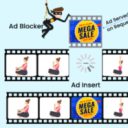
- Ad Blocking: Users blocking ads with software or browser extensions, reducing ad reach.
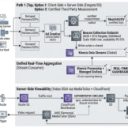
Ad Ecosystem - Key Components: 1. Client-Side Ad Insertion (CSAI):- The video player handles the ad insertion.
- Works with Pre-Roll, Mid-Roll, and Post-Roll ads.
- How it Works: The video player finds an ad tag in the video's metadata. This tag contains information about the ad. The video player uses this information to send an ad request to the ad server. The ad server selects an ad based on targeting, campaign goals, and availability. It sends back the selected ad and instructions. The video player pauses the video and renders the ad. The video then resumes.
- Benefits: Faster deployment, easier integration, less costly, smoother viewing experience, more flexibility in terms of ad personalization.

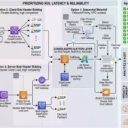
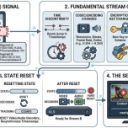
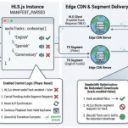
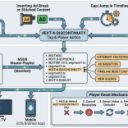
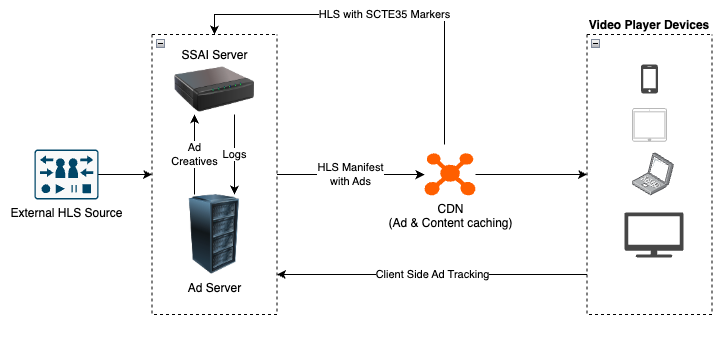
2. Server-Side Ad Insertion (SSAI/DAI):- Ads are dynamically stitched into the video by the servers (used for live feeds, replacing ads in live/satellite feeds, and ensuring ads work on third-party players).
- Relies heavily on SCTE-35 markers:
- SCTE-35 markers are embedded within the video stream and acts as "splice points", marking specific points in the video timeline where an ad can be seamlessly inserted.
- They also carry additional information such as: Ad duration, ad type (pre-roll, mid-roll, post-roll), and Network or local ad identifier.
- Benefits: Compatibility with ad blockers (SCTE-35 is hidden within the video stream), improved ad targeting, dynamic ad insertion, reduced ad fraud.
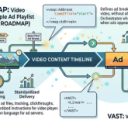
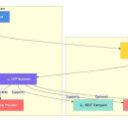
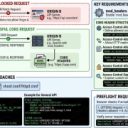
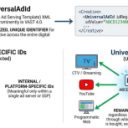
3. VAST and VMAP Support:- VAST (Video Ad Serving Template): A standardized language (XML document) that describes individual video ads (creative assets, companion ads, tracking, targeting).
- VMAP (Video Multiple Ad Playlist): An XML document that defines the order and timing of ad breaks (pre-roll, mid-roll, post-roll) within a video, referencing VAST tags for each break.
- Muvi supports VAST in all products and VMAP in Muvi One and Flex.
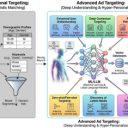
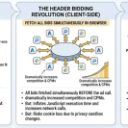
4. Programmatic Advertising:- Automated buying and selling of ad space through real-time bidding (RTB) platforms, using algorithms and data analysis to match advertiser goals with relevant opportunities.
5. Ad Personalization:- Customizing ads based on user data and characteristics to deliver more relevant and engaging ads.
- Utilizing Ad Macros: Placeholders in ads that are replaced with specific user information (e.g., %FIRSTNAME%, %CITY%, %PRODUCT_NAME%) to create personalized messages.
Here are the key takeaways from the provided text:
- Complex Ad Ecosystem: Content creators and publishers leverage a sophisticated advertising ecosystem with AdTech, automation, and partnerships to monetize video content.
- Ad Delivery Process: The process involves an ad request, SSP and ad exchange interaction, DSP bidding, winner selection, and finally, ad delivery to the user's video player.
- Common Ad Delivery Challenges: Issues such as low fill rates, ad latency, ad fraud, and ad blocking can negatively impact revenue and user experience.
- Client-Side Ad Insertion (CSAI): Ads are inserted by the video player, offering benefits like faster deployment, easier integration, and more flexibility in ad personalization.
- Server-Side Ad Insertion (SSAI/DAI): Ads are dynamically stitched into the video by servers, providing compatibility with ad blockers, improved targeting, and reduced ad fraud. Relies on SCTE-35 markers.
- VAST and VMAP Standards: VAST defines individual video ads, while VMAP defines the order and timing of ad breaks within a video.
- Programmatic Advertising: Automated buying and selling of ad space via real-time bidding (RTB) platforms enhances efficiency and targeting.
- Ad Personalization: Customizing ads with user data and ad macros enhances relevance and engagement.
|